EL SUPERALIMENTO SUBMARINO, EL POTENCIAL DE LAS MACROALGAS EN TODO EL MUNDO
Dirección de Promoción de Exportaciones
La demanda mundial de algas ha mostrado un sólido crecimiento a nivel mundial, con una tasa de crecimiento anual promedio del 8,1% entre 2021 y 2026. Sin duda, uno de los mercados más dinámicos del mundo es el de las algas, que, según la consultora Mordor International, se espera que muestre un crecimiento anual promedio del 8,1% entre 2021 y 2026, alcanzando un valor aproximado de 24.000 millones de dólares.
Este comportamiento positivo se explica, en parte, por el posicionamiento óptimo de las algas como superalimentos saludables de primer nivel debido a sus propiedades funcionales, donde la espirulina y la clorella son los productos de moda.
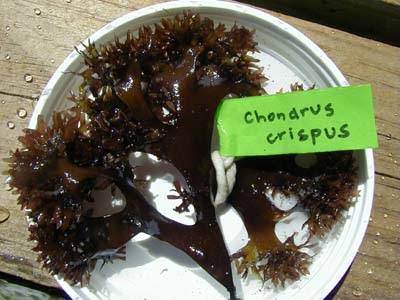
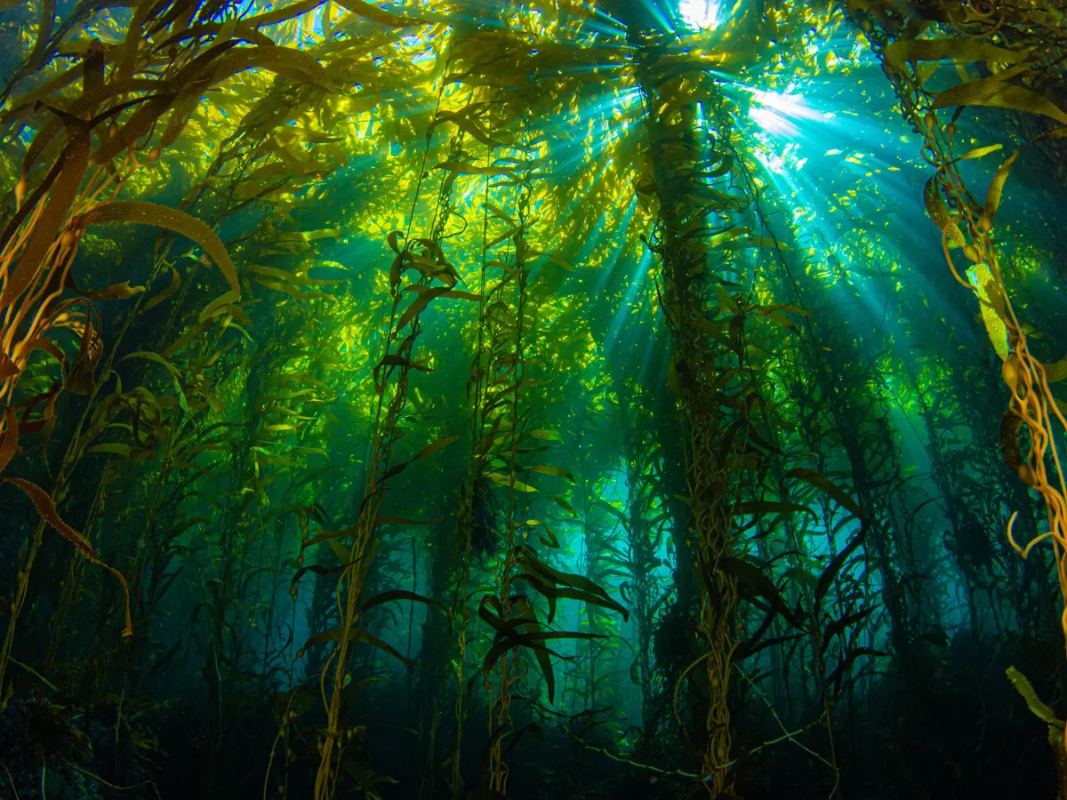
Otro factor importante a tener en cuenta es la creciente demanda de algas marinas para la fabricación de hidrocoloides como agar, alginato o carragenina; que se utilizan como agentes gelificantes naturales en la industria alimentaria y farmacéutica. En este segmento, las algas pardas y rojas dominan la categoría, incluyendo macrocystis pyrifera y chondracanthus chamissoi, lessonia trabeculata, lessonia nigrenscens, irishseamoss, chondrus crispus, pelillo, gracilaria, codium, generalmente conocido como yuyo, achicoria, ulva lactuca, Eisenia cokeri, Gigartina chamissoi, rhodymenia, Macrocystis integrifolia, lechuga de mar, Ecklonia arborea, que crecen en el mar peruano.
Aunque históricamente la mayor parte del consumo de algas marinas se ha concentrado en Europa, la región de Asia-Pacífico, especialmente en mercados como China, Japón y Corea del Sur. Taiwán, Estados Unidos, Australia, Canadá, Dinamarca, Francia, Reino Unido, Suecia, Alemania, Irlanda
En la última década, su popularidad en los países occidentales ha aumentado significativamente debido a sus propiedades beneficiosas para la salud. En Europa, por ejemplo, la creciente concienciación sobre el bienestar animal ha acelerado la adopción de estilos de vida veganos y vegetarianos, en los que las algas se han convertido en un ingrediente clave tanto en alimentos como en productos cosméticos.
De hecho, según su aplicación, el 73% de la demanda mundial de algas marinas la cubre la industria de alimentos y bebidas. Así, además de consumirse frescas o secas, también se procesan en harinas utilizadas en la elaboración de panes, fideos, galletas y productos extrusionados fortificados. Por su parte, el 15% de la demanda corresponde a la industria de los suplementos dietéticos, donde goza de creciente popularidad debido a sus propiedades nutricionales y metabólicas como resultado de sus altos niveles de magnesio y hierro. En este segmento, las algas pardas como el kelp están adquiriendo especial relevancia debido a estudios recientes que indican que contienen un alto porcentaje de fibra soluble y una composición de aminoácidos distintiva en comparación con otras verduras, lo que las convierte en una fuente potencial de nuevos tipos de fibra.
Si bien por el momento la demanda se concentra en la industria alimentaria, es importante mencionar los recientes avances e innovaciones en otros sectores productivos. Tal es el caso del uso de Ulva lactuca para la captación de corrientes eléctricas sin impacto ambiental en Israel o el desarrollo de bioestimulantes a base de Macrocystis. Asimismo, en México e India existen iniciativas para la producción de envases y bioplásticos a base de Macrocystis. Finalmente, se han observado nuevos lanzamientos en la industria dermatológica, como cosméticos para el cuidado de la piel a base de Macrocystis en Estados Unidos o polvos naturales a base de Lesselia en Francia.
Buenas perspectivas para las exportaciones peruanas.
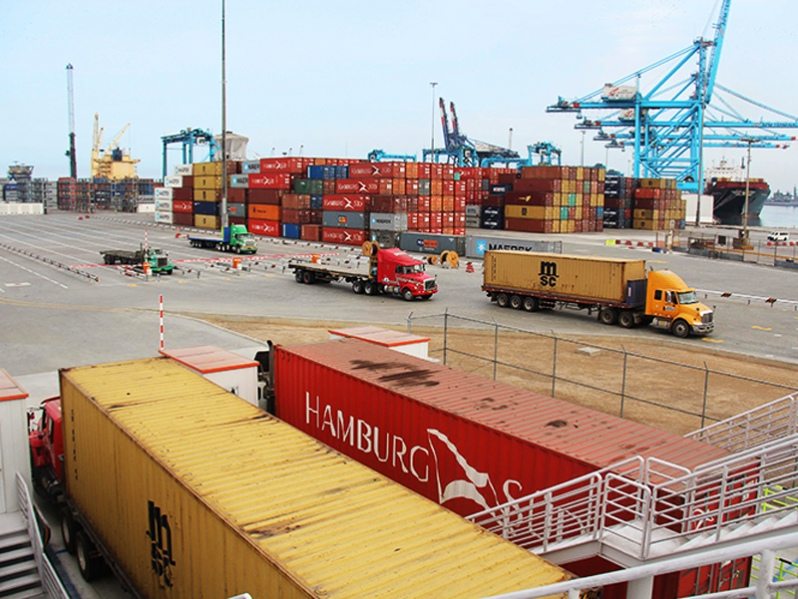
En proporción directa al crecimiento de la demanda mundial, las exportaciones peruanas de algas marinas han aumentado notablemente en los últimos seis años, alcanzando los 39 millones de dólares en 2021, para un total de 44 millones de dólares.
Según los nombres comerciales disponibles en la SUNAT, más de la mitad de las exportaciones peruanas corresponden a la variedad macrocystis. El principal destino de este producto es, con diferencia, China y, en menor medida, México. Por otro lado, alrededor del 15% de los envíos de algas pertenecen a la variedad lessonia, que se destinan exclusivamente al continente asiático.
Por último, otras variedades exportadas son Gracilaria y Chondracanthus (yuyo), esta última con una demanda significativa en el mercado canadiense.
Finalmente, cabe mencionar los esfuerzos del sector privado para desarrollar la oferta exportable de otras macroalgas con alto potencial en el sur del país, como la espirulina. En este contexto, con una mayor oferta de algas, Perú podría posicionarse como uno de los líderes mundiales en la exportación de estos productos.