Common name:
kelp.
Distribution and Biology:
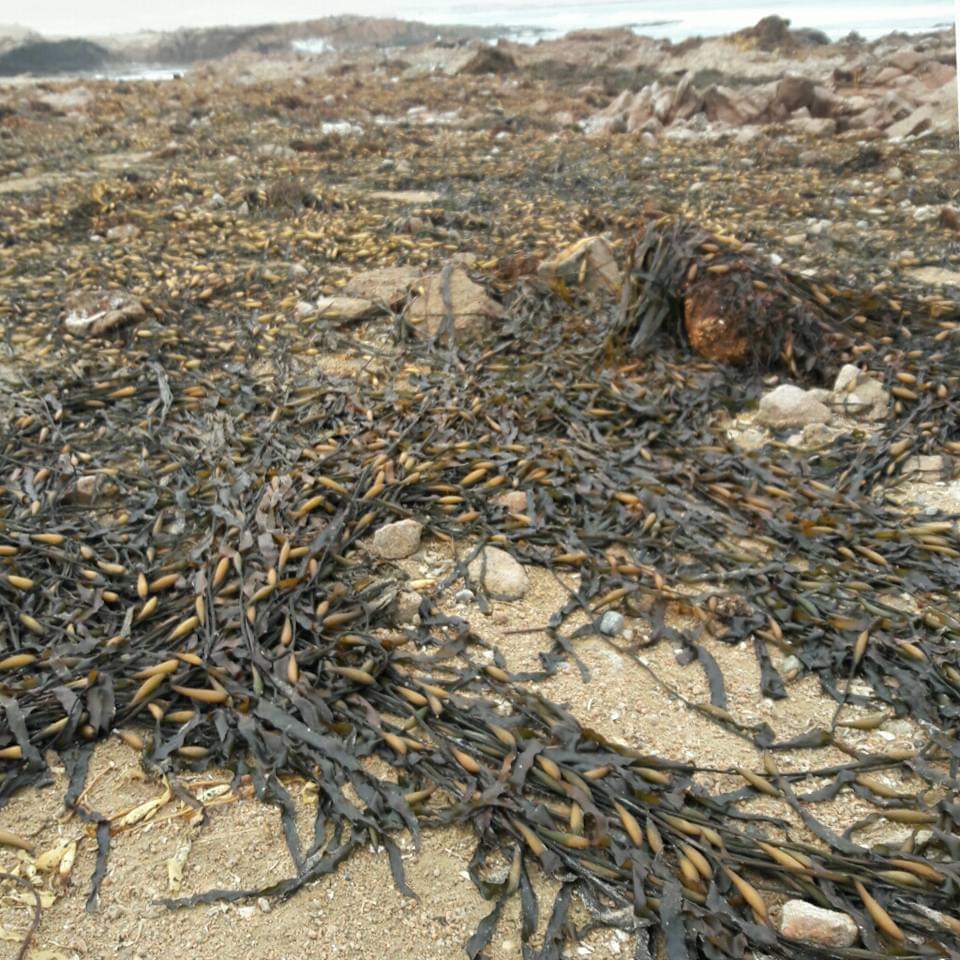
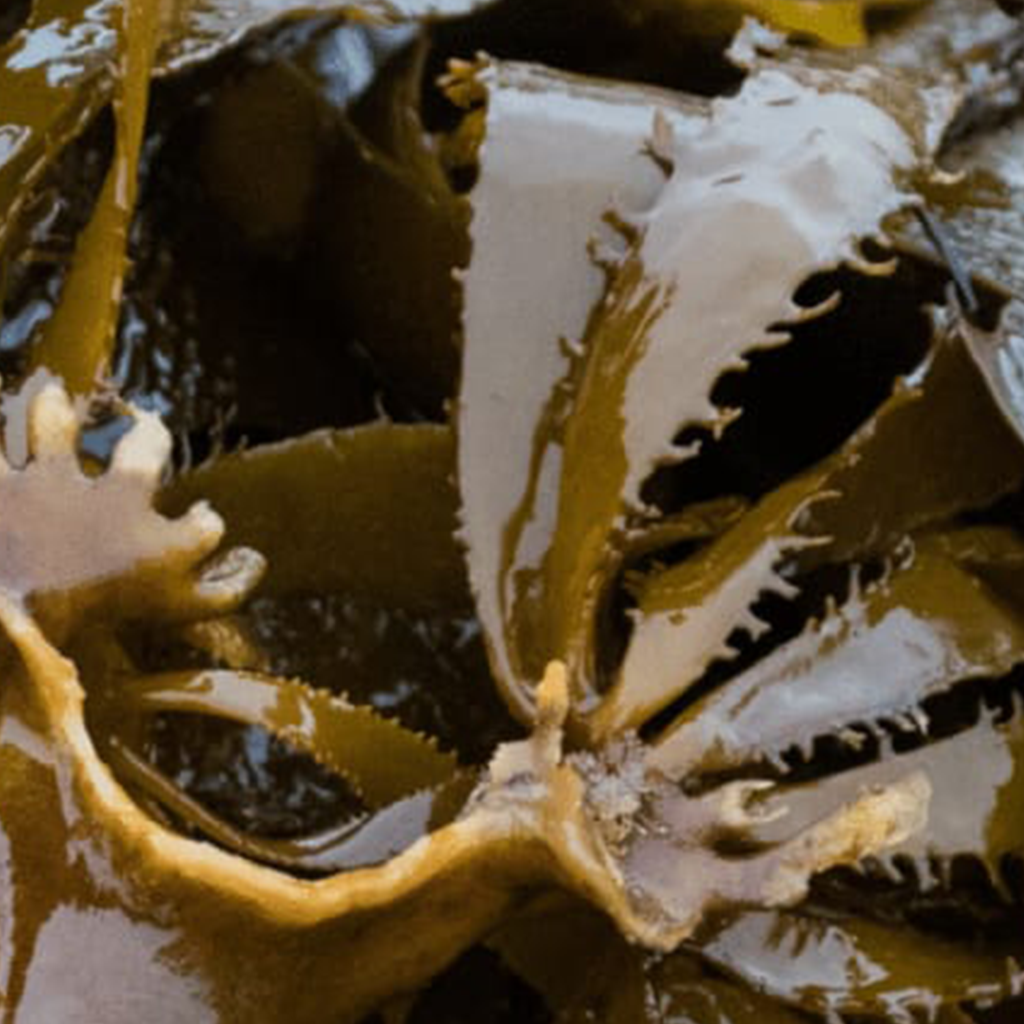
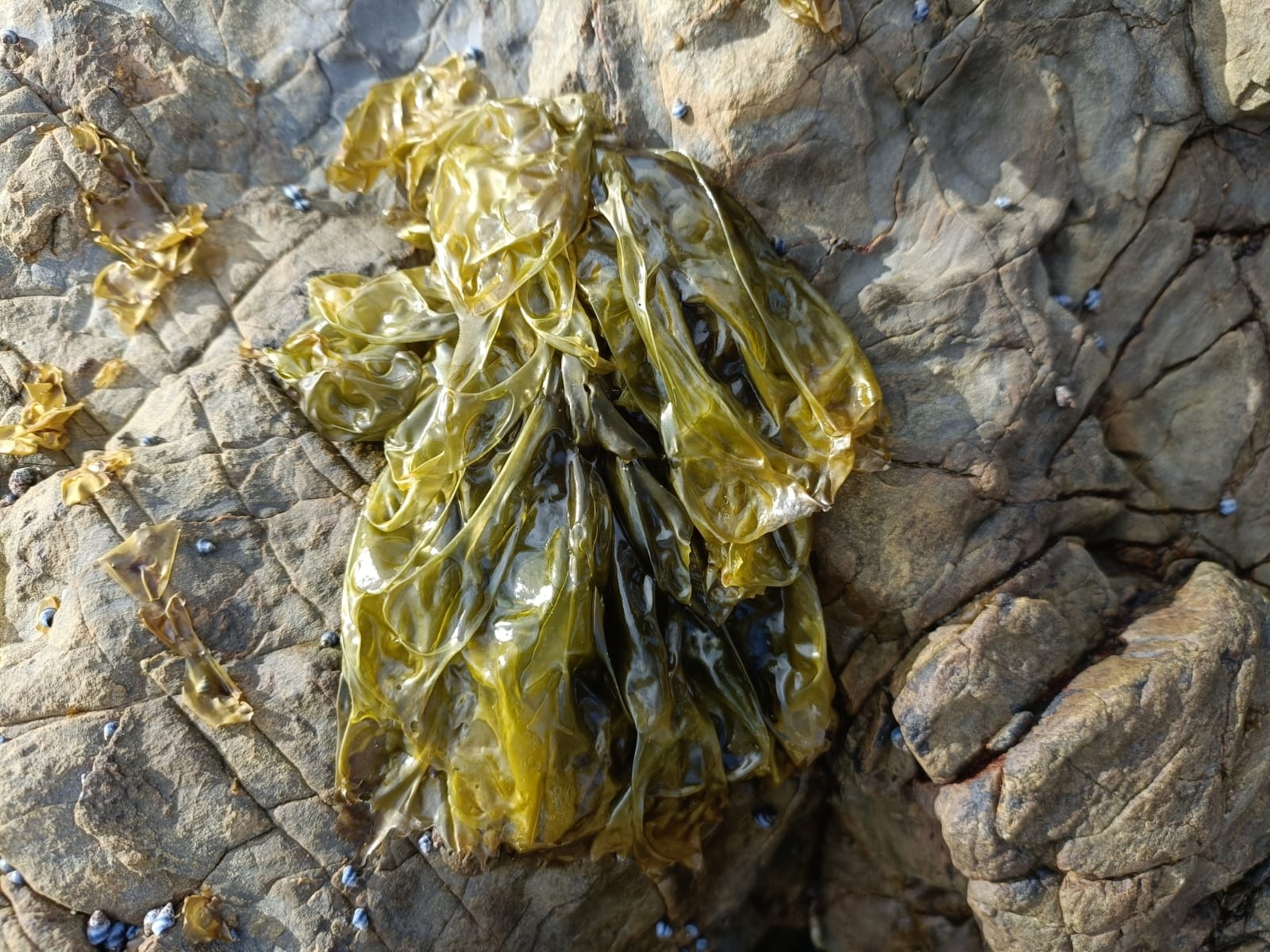
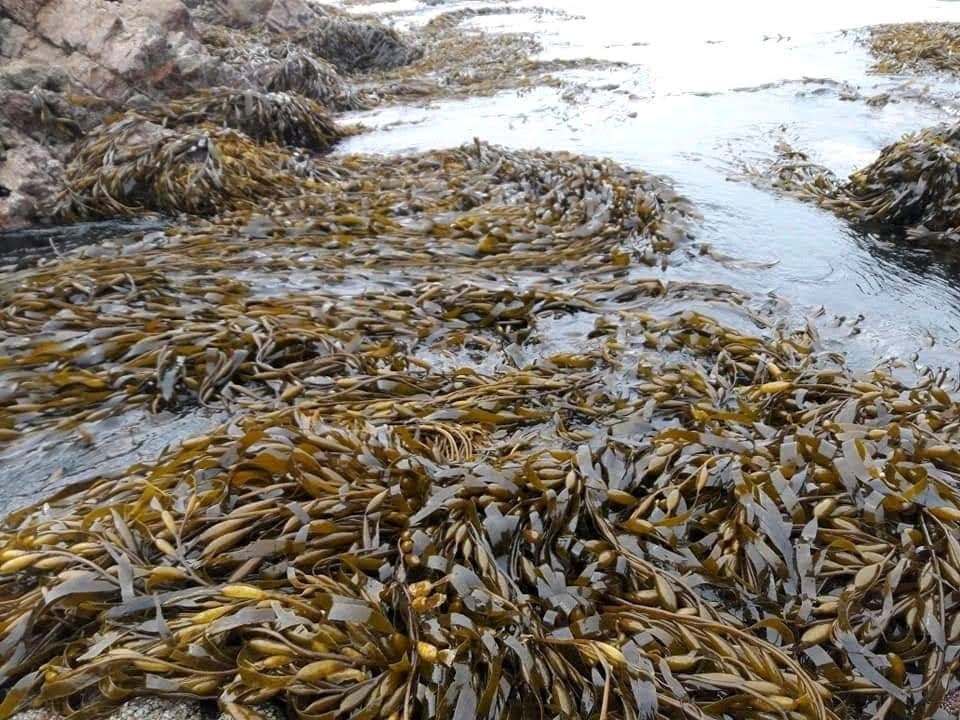
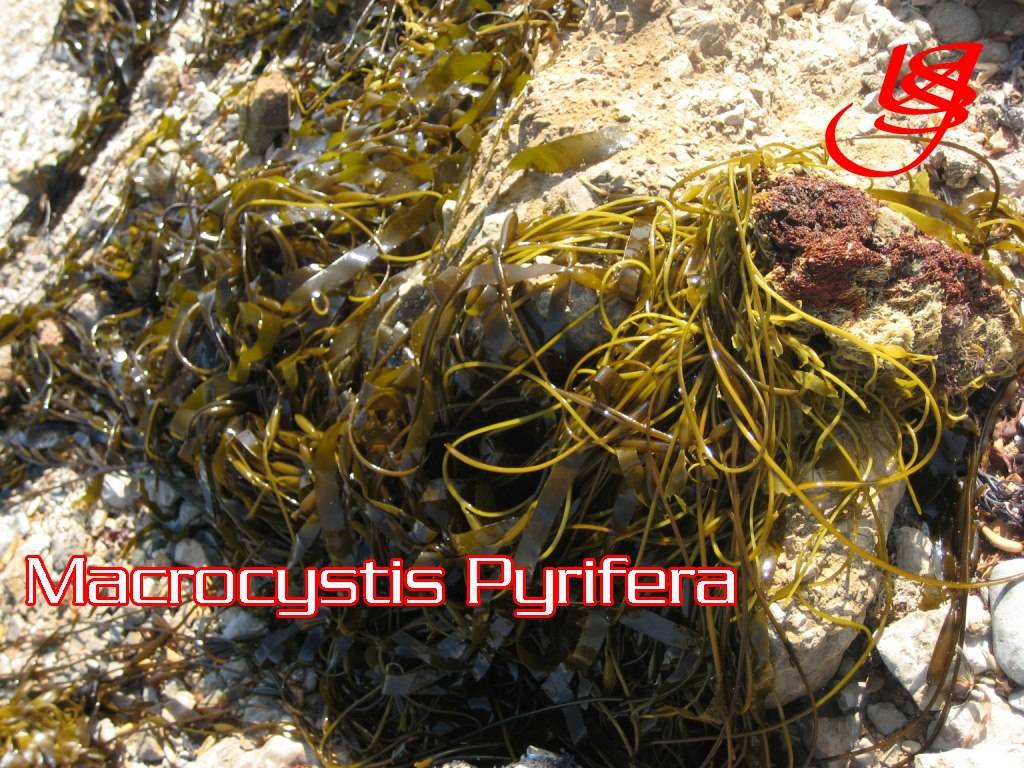
It inhabits the Pacific coast of North America and the sub-Antarctic waters of South America, South Africa and New Zealand. It lives from the intertidal, forming underwater forests. The lower limit of its bathymetric distribution is at a depth of 30 meters. Like other brown algae, it has structures reminiscent of those of higher plants. Its phyllodes (“leaves”) are greenish-brown in color and can be over half a meter long. Along the cauloid (“stalk”) are cysts, which are small air-filled vesicles that serve as floats. At their base they have a crampon fixation and stylets (talus), from which the sheets come out towards the sea surface, in search of the sun and in constant movement, which helps the oxygenation of the sea. Despite the fact that these algae are considered of great importance in the industry, in countries where they abound, they are not used. Abalone and Loco, edible marine gastropods, feed on this algae and there are attempts to cultivate it, not only to produce molluscs, but also to use it as human food.
Culinary:
Since ancient times, in the coastal towns of South America, the M. has been part of their diet. In Chilean and Peruvian cuisine there are many recipes in which it is included.
Pharmacological:
M. Macrocystis is used as a source of Agar for pharmacological preparations and for master recipes for obesity.
Navigation:
The presence of forests of this species is marked on nautical charts as they represent a danger to navigation, if a large quantity becomes entangled in the propellers, it can leave a vessel without steering.
ABSTRACT
In the present work, it was proposal a process for the extraction of sodium alginate, which was obtained from the brown macroalgae Macrocystis pyrifera collected in La Punta-Callao. The extraction process presented a yield of 12 % and the alginate obtained was characterized by FT-IR and 13C NMR techniques in solid state, which was compared with a commercial alginate. The evaluation of the presence of mannuronic and guluronic blocks has been carried out through the use of the 2nd derivative, obtaining characteristic signals at 894 cm-1 for C -H α – L – guluronic in AlgM and at 885 cm-1 for C1-H anomeric region of the β-D-mannuronic in AlgC. Moreover, characteristic signals were assigned for the algae spectrum at 902 cm-1 and at 812 cm-1 corresponding to vibrations of the α – L – guluronic blocks. By 13C NMR in solid state, a characteristic peak was obtained at 102.4 ppm for AlgM associated with the anomeric carbon C1-H α – L-guluronic, while in AlgC two peaks were visualized at 101.8 ppm and 99.8 ppm assigned to the C1-H α – L – guluronic and C1-H β – D – mannuronic respectively thus indicating the presence of both G blocks and M blocks in commercial alginate.
Approximately 50% of the dry weight of macrocystis corresponds to different types of sugars, which after a biotechnological and fermentation process can be transformed into ethanol or other biofuels.
Applications:
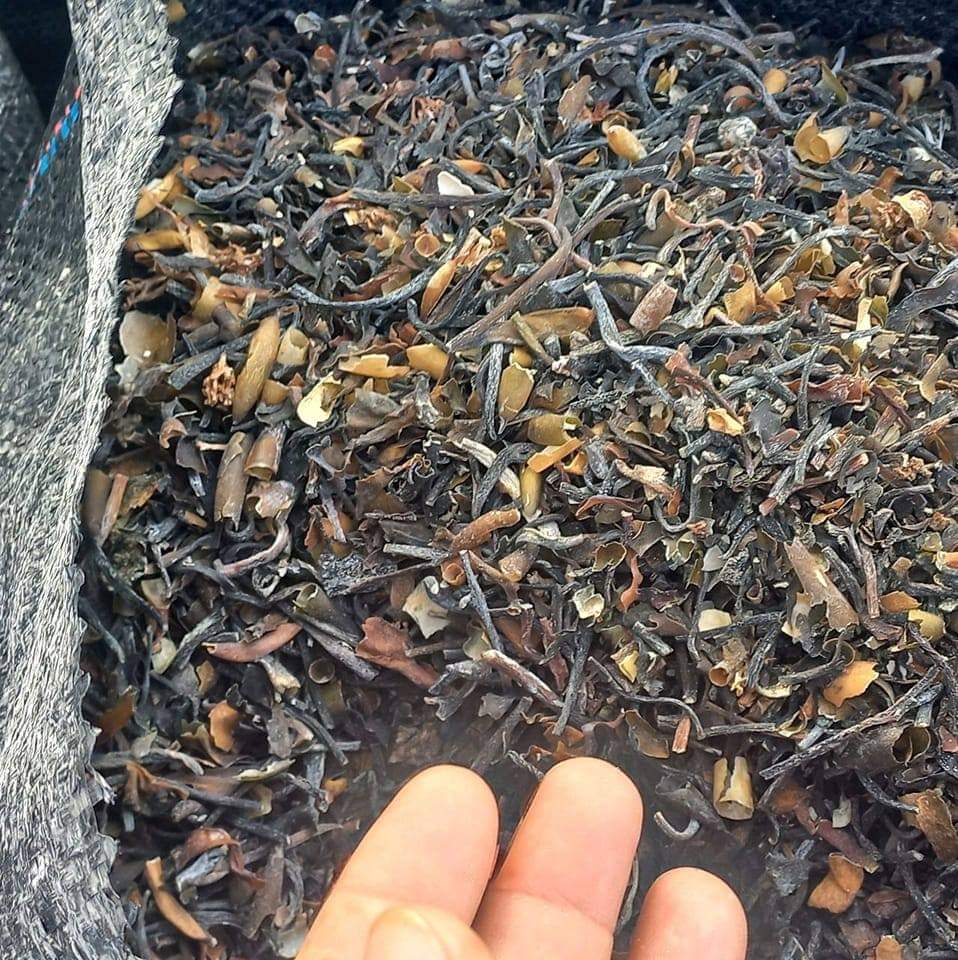
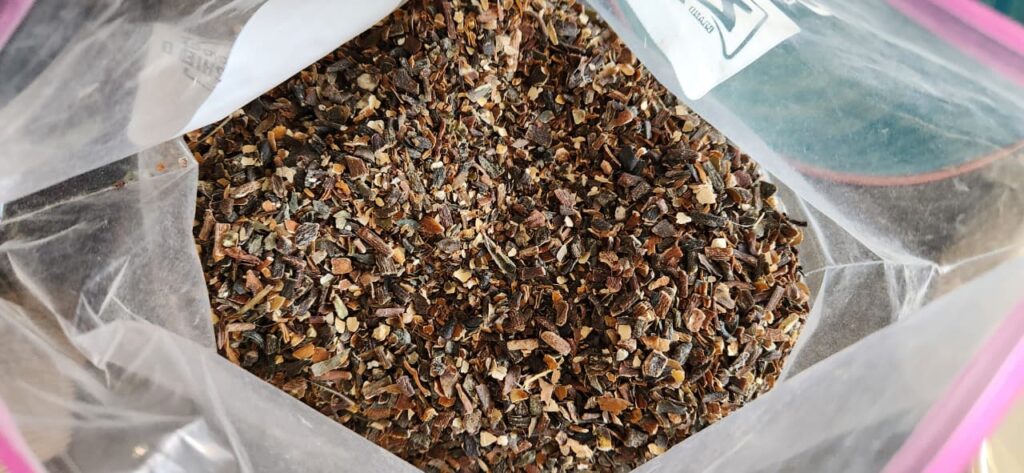
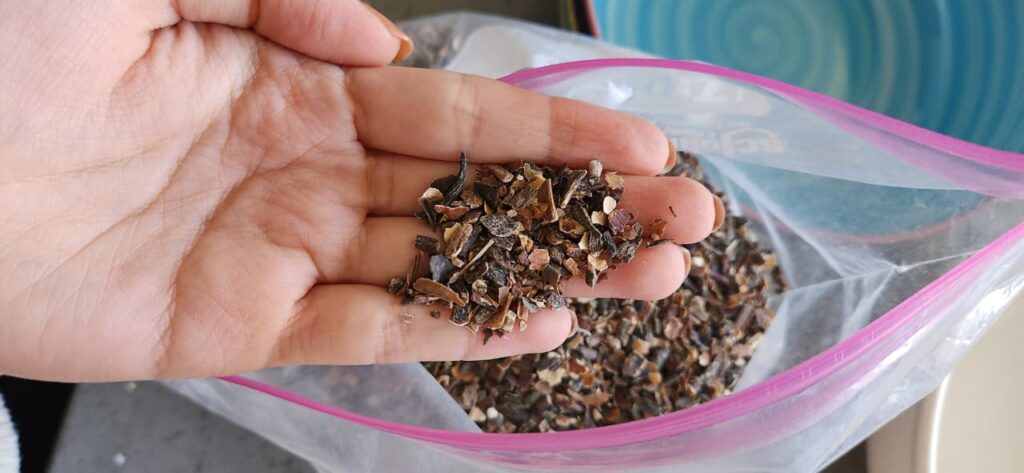
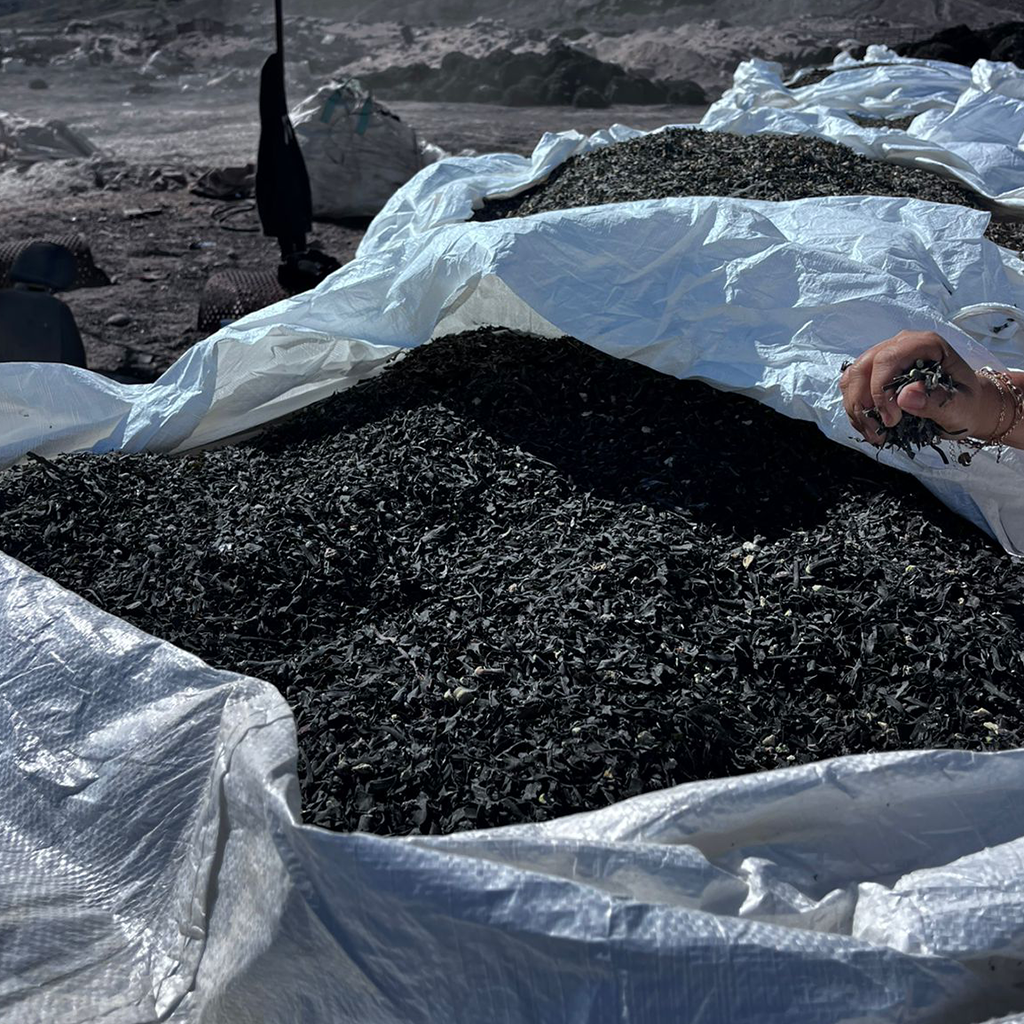
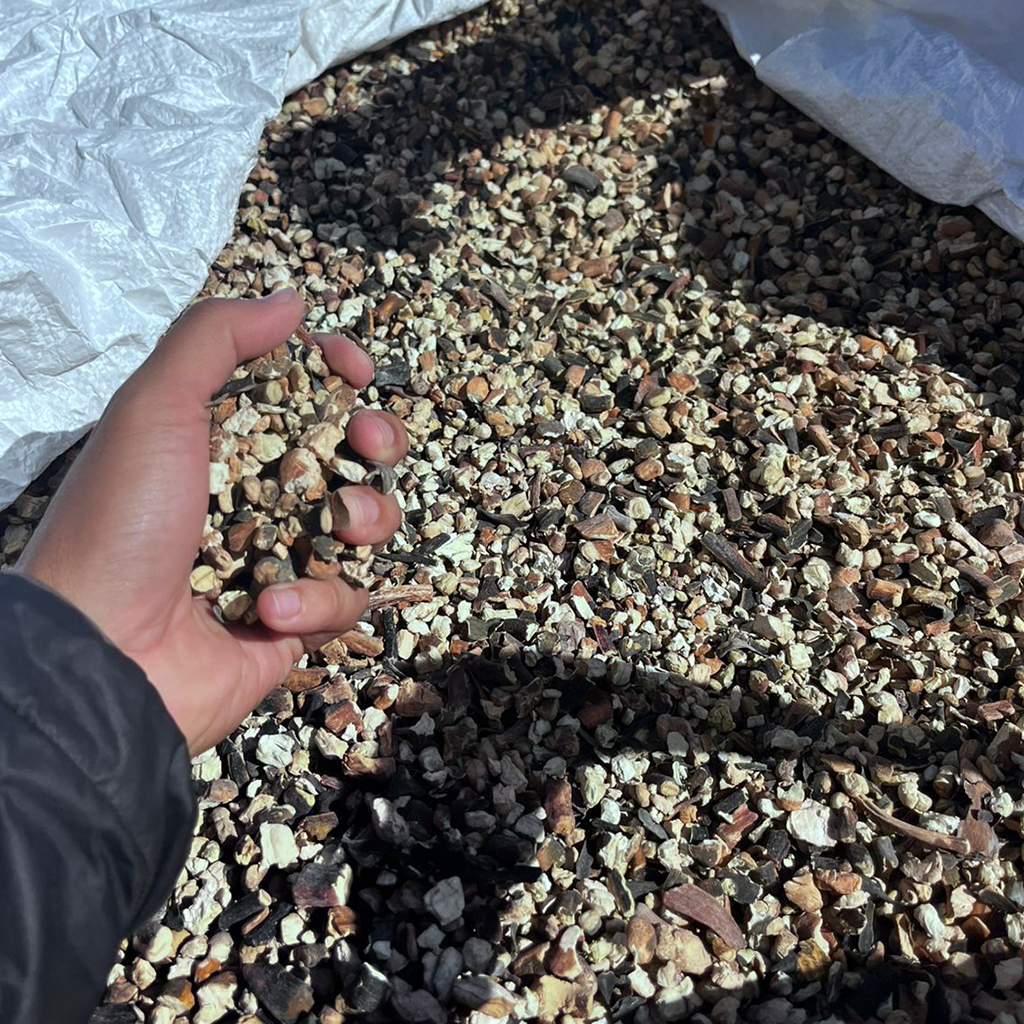
This macroalgae is collected by hand on the beaches where it is beached, in the southern area of Ica and Arequipa in Peru. After primary processing, it is sent to the alginate industry, for the extraction of alginic acid. Sodium Alginate is a polysaccharide from brown algae. Although it can be used as a thickener, its most striking role in modern cooking is to allow us to “spherify”. The alginate dissolved in a liquid mixture enters into a rapid reaction with another calcium-rich liquid (such as calcium chloride or gluconolactate), solidifying very quickly, creating a very stable and resistant structure. To give an example, let’s imagine that we have made a fruit syrup in which we have dissolved alginate. If we take a tablespoon of the syrup and gently introduce it into a mixture of water with calcium salts, in a few seconds the contact area between the syrup and the water solidifies creating a sphere. The edges of this sphere will have a jelly bean-like texture and its interior will remain liquid. The experience of the diner when introducing one of these spheres in the mouth is that of an “explosion” of flavor since with the pressure of the tongue, the sphere explodes, releasing the liquid, in this case the fruit syrup, in the mouth. Spherification can be done with sweet or savory products.
And depending on where we use the alginate, we will talk about:
Direct spherification, when the alginate is mixed with the product that we are going to ingest (as in the example of fruit syrup).
Reverse spherification, when the alginate is added to the aqueous solution in which the product to be spherified is subsequently immersed.
The sodium alginate must be added well sprinkled to avoid the formation of lumps. It should then be mixed very vigorously, preferably using an electric hand mixer. Once added to the food (direct spherification) or to the bath (reverse spherification), it is important to let the mixture rest for at least 1 hour in the cold before starting to make the spheres. A dose of about 4 grams of alginate per liter is usually used. It is important to take into account that spherification does not occur correctly in very acidic mixtures, with pHs lower than 3.8. In those cases, the pH must be raised using products such as Sodium Citrate.
Visit our Spherification Recipes section to see what types of dishes can be made.
Sodium alginate, as we said at the beginning, can also be used as a thickener. It is common to find it in ice creams where it improves the texture and also acts as a stabilize.
Extraction and characterization of sodium alginate from the brown alga Macrocystis Peruvian.
Algae are considered one of the most promising sustainable sources of biomass. They are capable of producing and storing a large number of important biomolecules such as potential fuels, food for humans and animals, drugs and food additives, agro-industrial products, cosmetics, and even for water treatment. The sea, rivers and lakes of Peru are the habitat of many species of algae. Alginate is a linear polysaccharide composed of units of the salts of the carboxylic acids β-D-mannuronic (M) and α-L-guluronic (G); and it is present in large quantities in the extracellular matrix of brown marine algae of the class Phaeophyceae. Today, alginate is extracted in various parts of the world from a wide variety of algae species. The utility of alginate at an academic and industrial level is varied, its common uses include: binder in textile dyes, thickening agent or stabilizer in food mixtures, matrix to immobilize and transport biological or catalytic agents, manufacture of antibacterial and hemostatic fibers, etc. In the present work, the alginate obtained from the alga Macrocystis sp., an endemic species of Peru, was studied. In the first place, the process for obtaining the alginate was optimized, which contemplated three procedures: a pre-treatment, an extraction and a purification. Previously, the alga was separated into three parts, according to its morphology: leaves, bulbs and stems. The optimal pre-treatment of the algae consisted of washing with an aqueous solution of sodium hypochlorite NaOCl 0.5% for 30 min. Optimum extraction was achieved with an aqueous solution of sodium carbonate in a 1:1 molar ratio of Na2CO3 to alginate, at 80 ºC for 2 h. Finally, an alternative purification method was proposed, which consisted of precipitation of the crude alginate extract in 2-propanol, followed by dissolution of the crude and dry extract in an aqueous solution of 5 mM EDTA, centrifugation, filtration with membrane, a water dialysis process and a freeze-drying process. Secondly, a chemical analysis of the final product was carried out to determine the composition and structure of the alginate. By 1H-NMR spectroscopy, the values of the M/G ratio and the number average length of the G-blocks were determined without considering the triads –MGM– (NG>1). The average M/G ratio was 1.75, thus indicating a composition of 64% mannuronate and 36% guluronate units. No significant difference was observed in the M/G ratio between the extracts of the three parts of the alga, however, the alginate of the stems and bulbs contained longer guluronate chains than that of the leaves. On the other hand, FT-IR spectroscopy allowed verifying the functional groups of the alginate and estimating the M/G ratio. It was determined that the FT-IR measurements were comparable to those of NMR, and therefore would be useful for routine checks on alginate characterization. Third, a molar mass analysis of the alginate was performed by capillary viscometry and GPC. With capillary viscometry, the viscosity average molar mass of the alginate was determined to be approximately 320 kDa. GPC analysis showed that the extracts from the three parts of the seaweed had the same molar mass distribution, with an average Mp of 330 ± 20 kDa relative to PEO standards. In addition, it was determined that the average PDI is 5.094 ± 0.201, which indicates a fairly dispersed distribution. Finally, a morphological study of alginic acid, sodium alginate and its calcium and copper derivatives was carried out by scanning electron microscopy (SEM); and a study of the degradation of alginate in an alkaline medium assisted by microwaves. Additionally, an analysis of the residue from the pre-treatment of the algae was included, since the possibility of finding a polysaccharide called fucoidan, which is of academic and commercial interest, was considered.
We are producers and exporters. If you are interested in this, please contact my WhatsApp number +51968610577. Email: seaweed.peru@gmail.com Contact us for more information.
Common name:
kelp.
Distribution and Biology:
It inhabits the Pacific coast of North America and the sub-Antarctic waters of South America, South Africa and New Zealand. It lives from the intertidal, forming underwater forests. The lower limit of its bathymetric distribution is at a depth of 30 meters. Like other brown algae, it has structures reminiscent of those of higher plants. Its phyllodes (“leaves”) are greenish-brown in color and can be over half a meter long. Along the cauloid (“stalk”) are cysts, which are small air-filled vesicles that serve as floats. At their base they have a crampon fixation and stylets (talus), from which the sheets come out towards the sea surface, in search of the sun and in constant movement, which helps the oxygenation of the sea. Despite the fact that these algae are considered of great importance in the industry, in countries where they abound, they are not used. Abalone and Loco, edible marine gastropods, feed on this algae and there are attempts to cultivate it, not only to produce molluscs, but also to use it as human food.
Culinary:
Since ancient times, in the coastal towns of South America, the M. has been part of their diet. In Chilean and Peruvian cuisine there are many recipes in which it is included.
Pharmacological:
M. Macrocystis is used as a source of Agar for pharmacological preparations and for master recipes for obesity.
Navigation:
The presence of forests of this species is marked on nautical charts as they represent a danger to navigation, if a large quantity becomes entangled in the propellers, it can leave a vessel without steering.
ABSTRACT
In the present work, it was proposal a process for the extraction of sodium alginate, which was obtained from the brown macroalgae Macrocystis pyrifera collected in La Punta-Callao. The extraction process presented a yield of 12 % and the alginate obtained was characterized by FT-IR and 13C NMR techniques in solid state, which was compared with a commercial alginate. The evaluation of the presence of mannuronic and guluronic blocks has been carried out through the use of the 2nd derivative, obtaining characteristic signals at 894 cm-1 for C -H α – L – guluronic in AlgM and at 885 cm-1 for C1-H anomeric region of the β-D-mannuronic in AlgC. Moreover, characteristic signals were assigned for the algae spectrum at 902 cm-1 and at 812 cm-1 corresponding to vibrations of the α – L – guluronic blocks. By 13C NMR in solid state, a characteristic peak was obtained at 102.4 ppm for AlgM associated with the anomeric carbon C1-H α – L-guluronic, while in AlgC two peaks were visualized at 101.8 ppm and 99.8 ppm assigned to the C1-H α – L – guluronic and C1-H β – D – mannuronic respectively thus indicating the presence of both G blocks and M blocks in commercial alginate.
Approximately 50% of the dry weight of macrocystis corresponds to different types of sugars, which after a biotechnological and fermentation process can be transformed into ethanol or other biofuels.
Applications:
This macroalgae is collected by hand on the beaches where it is beached, in the southern area of Ica and Arequipa in Peru. After primary processing, it is sent to the alginate industry, for the extraction of alginic acid. Sodium Alginate is a polysaccharide from brown algae. Although it can be used as a thickener, its most striking role in modern cooking is to allow us to “spherify”. The alginate dissolved in a liquid mixture enters into a rapid reaction with another calcium-rich liquid (such as calcium chloride or gluconolactate), solidifying very quickly, creating a very stable and resistant structure. To give an example, let’s imagine that we have made a fruit syrup in which we have dissolved alginate. If we take a tablespoon of the syrup and gently introduce it into a mixture of water with calcium salts, in a few seconds the contact area between the syrup and the water solidifies creating a sphere. The edges of this sphere will have a jelly bean-like texture and its interior will remain liquid. The experience of the diner when introducing one of these spheres in the mouth is that of an “explosion” of flavor since with the pressure of the tongue, the sphere explodes, releasing the liquid, in this case the fruit syrup, in the mouth. Spherification can be done with sweet or savory products.
And depending on where we use the alginate, we will talk about:
Direct spherification, when the alginate is mixed with the product that we are going to ingest (as in the example of fruit syrup).
Reverse spherification, when the alginate is added to the aqueous solution in which the product to be spherified is subsequently immersed.
The sodium alginate must be added well sprinkled to avoid the formation of lumps. It should then be mixed very vigorously, preferably using an electric hand mixer. Once added to the food (direct spherification) or to the bath (reverse spherification), it is important to let the mixture rest for at least 1 hour in the cold before starting to make the spheres. A dose of about 4 grams of alginate per liter is usually used. It is important to take into account that spherification does not occur correctly in very acidic mixtures, with pHs lower than 3.8. In those cases, the pH must be raised using products such as Sodium Citrate.
Visit our Spherification Recipes section to see what types of dishes can be made.
Sodium alginate, as we said at the beginning, can also be used as a thickener. It is common to find it in ice creams where it improves the texture and also acts as a stabilize.
Extraction and characterization of sodium alginate from the brown alga Macrocystis Peruvian.
Algae are considered one of the most promising sustainable sources of biomass. They are capable of producing and storing a large number of important biomolecules such as potential fuels, food for humans and animals, drugs and food additives, agro-industrial products, cosmetics, and even for water treatment. The sea, rivers and lakes of Peru are the habitat of many species of algae. Alginate is a linear polysaccharide composed of units of the salts of the carboxylic acids β-D-mannuronic (M) and α-L-guluronic (G); and it is present in large quantities in the extracellular matrix of brown marine algae of the class Phaeophyceae. Today, alginate is extracted in various parts of the world from a wide variety of algae species. The utility of alginate at an academic and industrial level is varied, its common uses include: binder in textile dyes, thickening agent or stabilizer in food mixtures, matrix to immobilize and transport biological or catalytic agents, manufacture of antibacterial and hemostatic fibers, etc. In the present work, the alginate obtained from the alga Macrocystis sp., an endemic species of Peru, was studied. In the first place, the process for obtaining the alginate was optimized, which contemplated three procedures: a pre-treatment, an extraction and a purification. Previously, the alga was separated into three parts, according to its morphology: leaves, bulbs and stems. The optimal pre-treatment of the algae consisted of washing with an aqueous solution of sodium hypochlorite NaOCl 0.5% for 30 min. Optimum extraction was achieved with an aqueous solution of sodium carbonate in a 1:1 molar ratio of Na2CO3 to alginate, at 80 ºC for 2 h. Finally, an alternative purification method was proposed, which consisted of precipitation of the crude alginate extract in 2-propanol, followed by dissolution of the crude and dry extract in an aqueous solution of 5 mM EDTA, centrifugation, filtration with membrane, a water dialysis process and a freeze-drying process. Secondly, a chemical analysis of the final product was carried out to determine the composition and structure of the alginate. By 1H-NMR spectroscopy, the values of the M/G ratio and the number average length of the G-blocks were determined without considering the triads –MGM– (NG>1). The average M/G ratio was 1.75, thus indicating a composition of 64% mannuronate and 36% guluronate units. No significant difference was observed in the M/G ratio between the extracts of the three parts of the alga, however, the alginate of the stems and bulbs contained longer guluronate chains than that of the leaves. On the other hand, FT-IR spectroscopy allowed verifying the functional groups of the alginate and estimating the M/G ratio. It was determined that the FT-IR measurements were comparable to those of NMR, and therefore would be useful for routine checks on alginate characterization. Third, a molar mass analysis of the alginate was performed by capillary viscometry and GPC. With capillary viscometry, the viscosity average molar mass of the alginate was determined to be approximately 320 kDa. GPC analysis showed that the extracts from the three parts of the seaweed had the same molar mass distribution, with an average Mp of 330 ± 20 kDa relative to PEO standards. In addition, it was determined that the average PDI is 5.094 ± 0.201, which indicates a fairly dispersed distribution. Finally, a morphological study of alginic acid, sodium alginate and its calcium and copper derivatives was carried out by scanning electron microscopy (SEM); and a study of the degradation of alginate in an alkaline medium assisted by microwaves. Additionally, an analysis of the residue from the pre-treatment of the algae was included, since the possibility of finding a polysaccharide called fucoidan, which is of academic and commercial interest, was considered.
We are producers and exporters. If you are interested in this, please contact my WhatsApp number +51968610577. Email: seaweed.peru@gmail.com Contact us for more information.