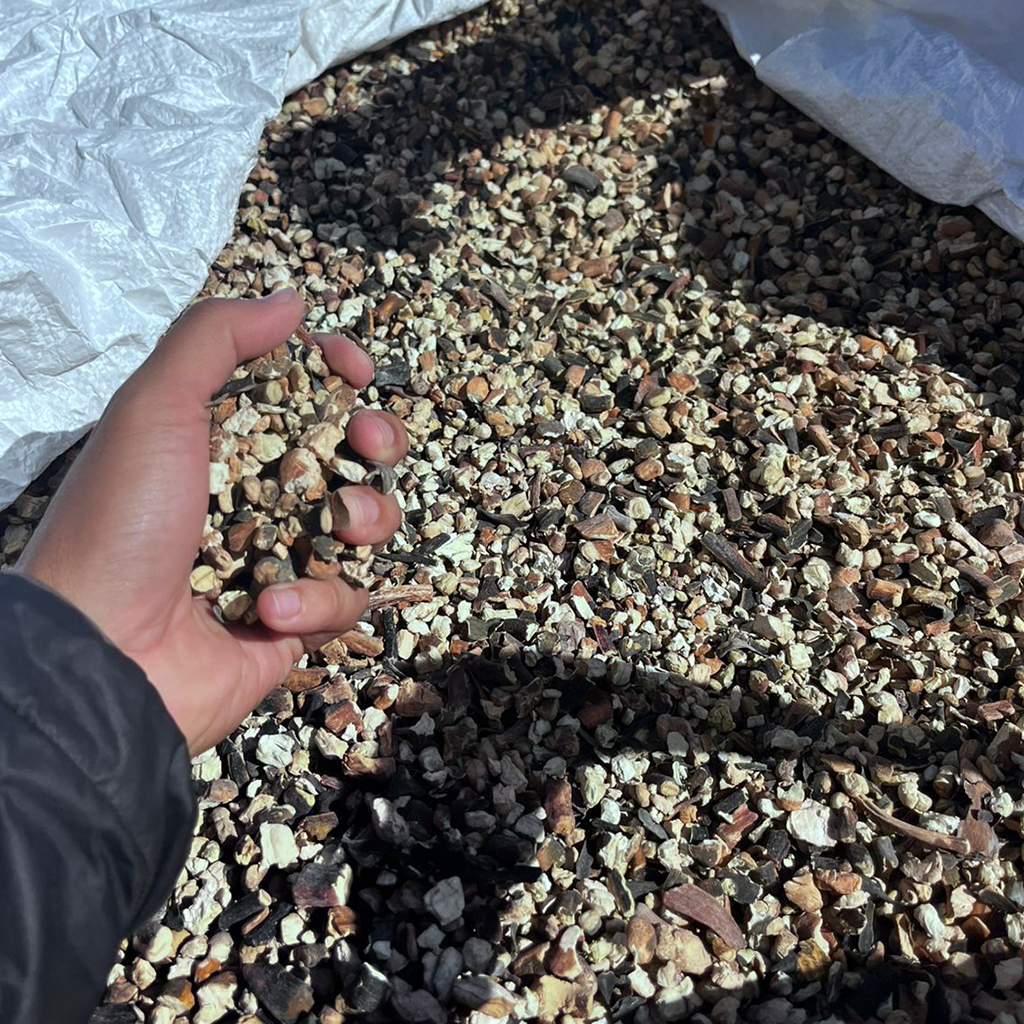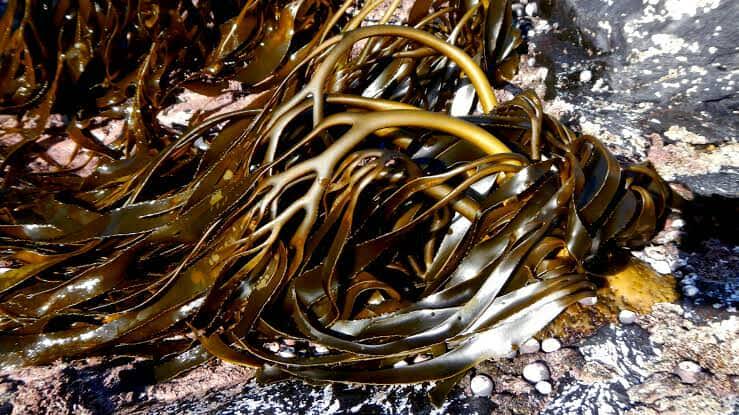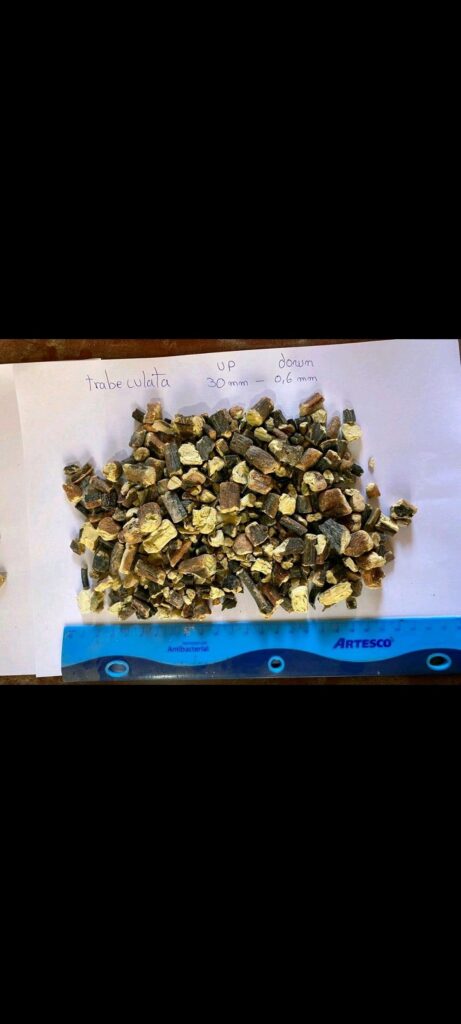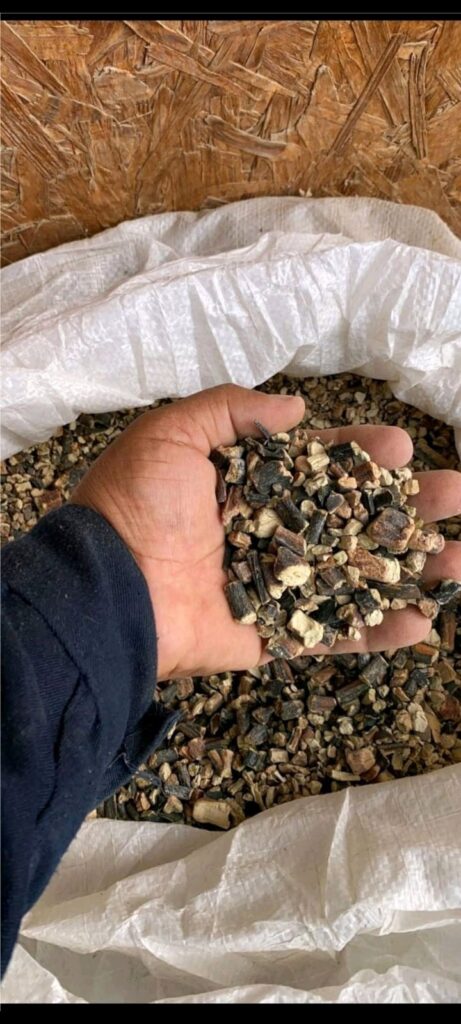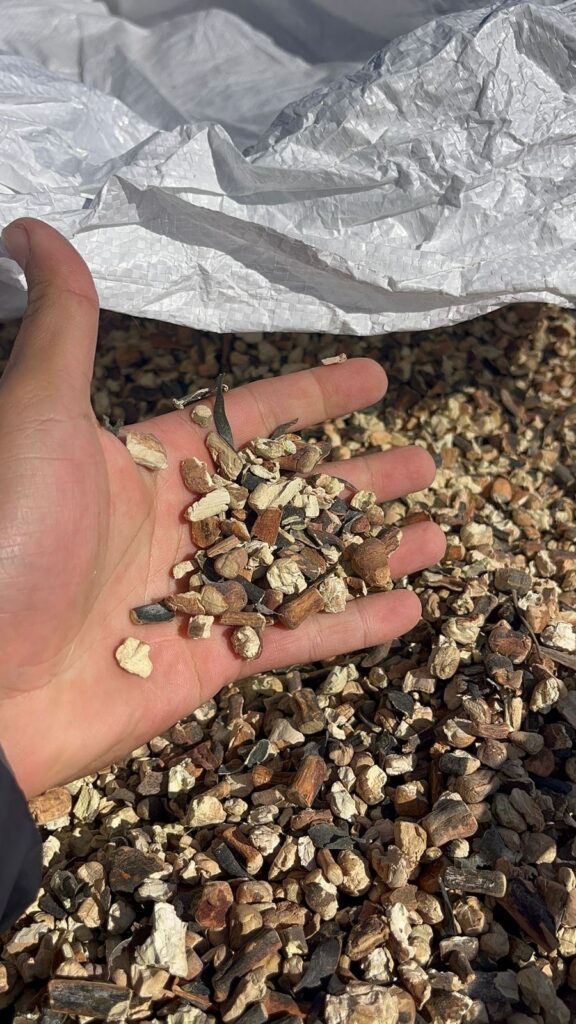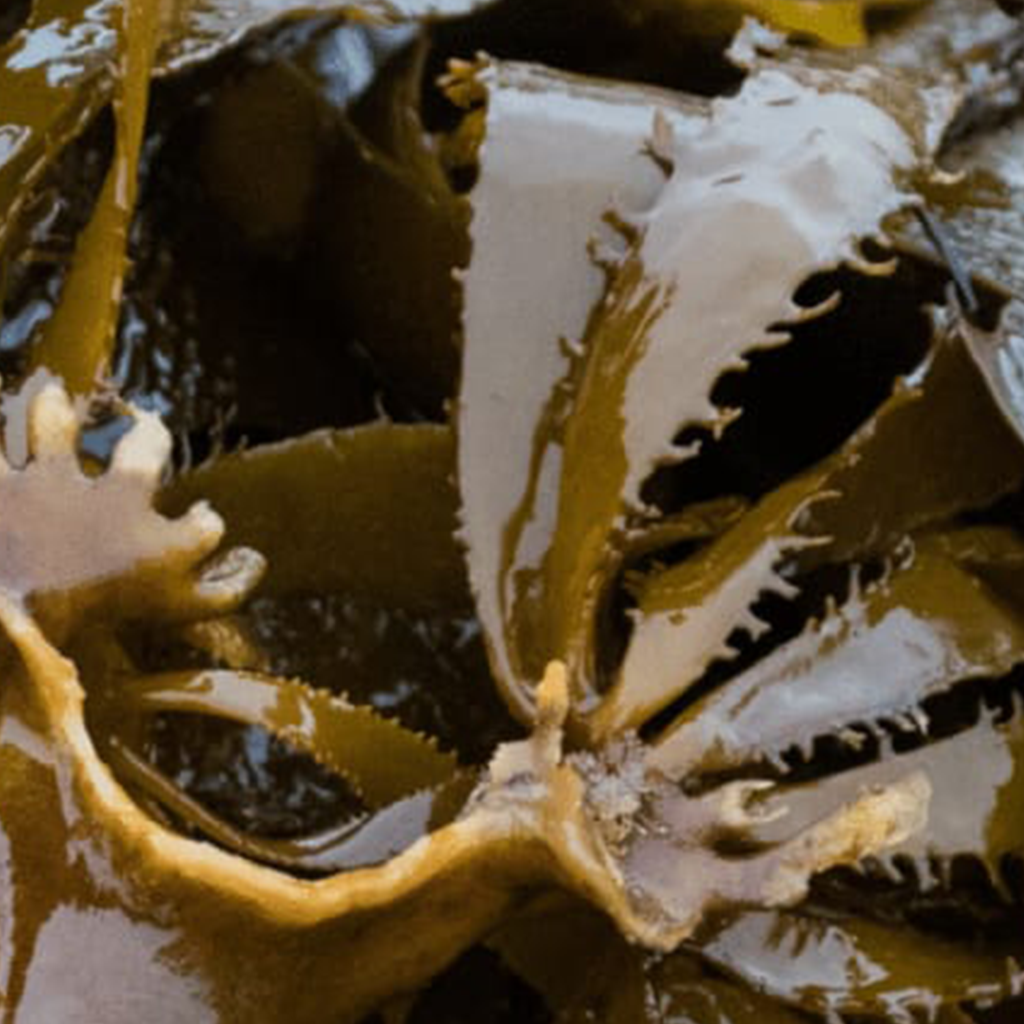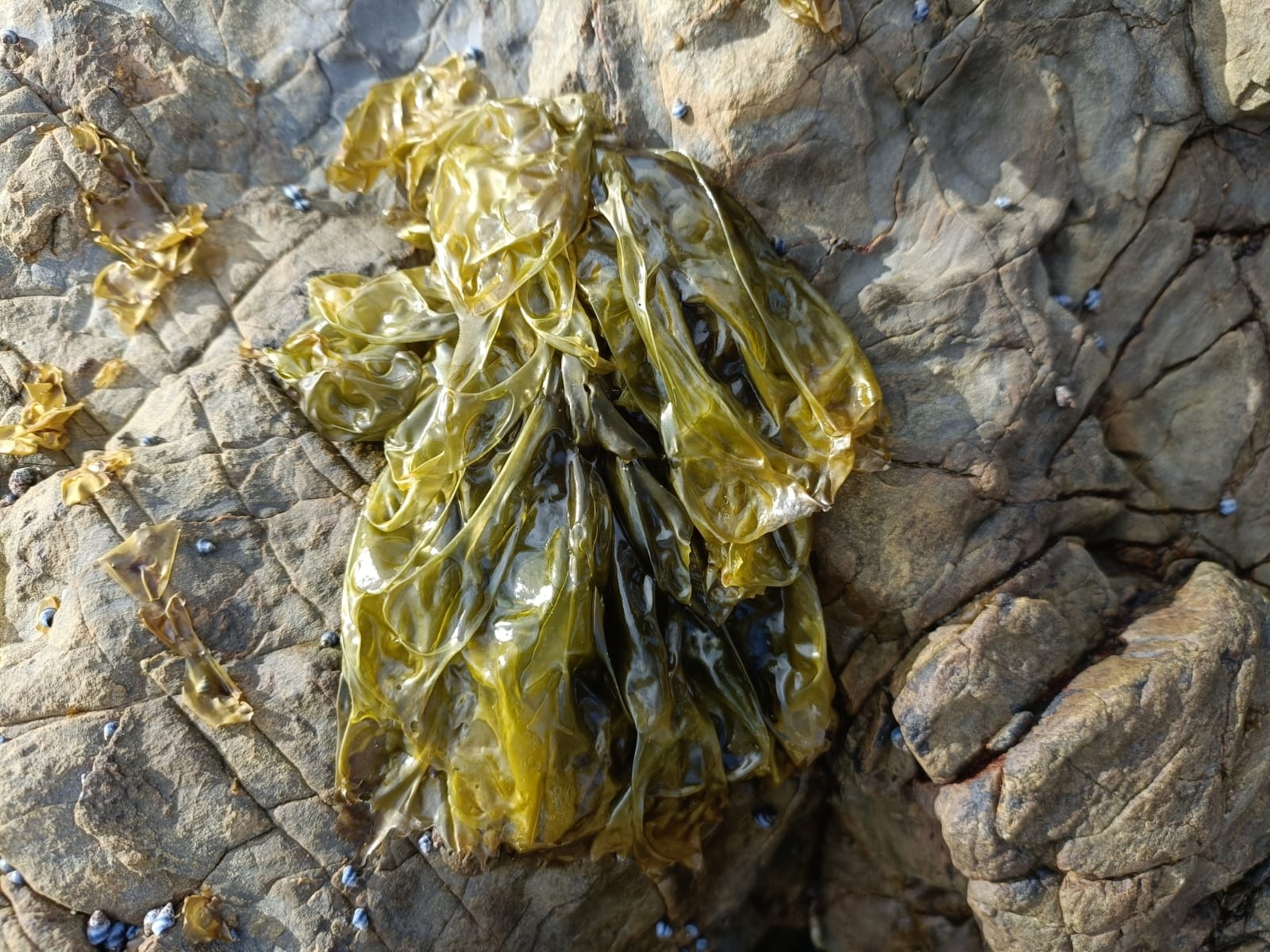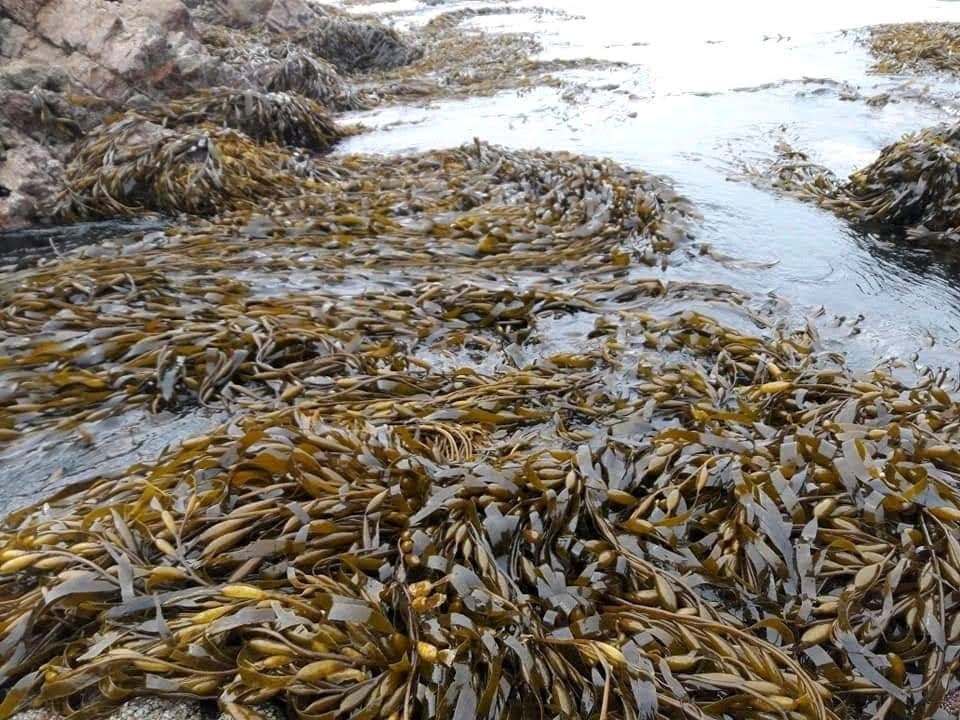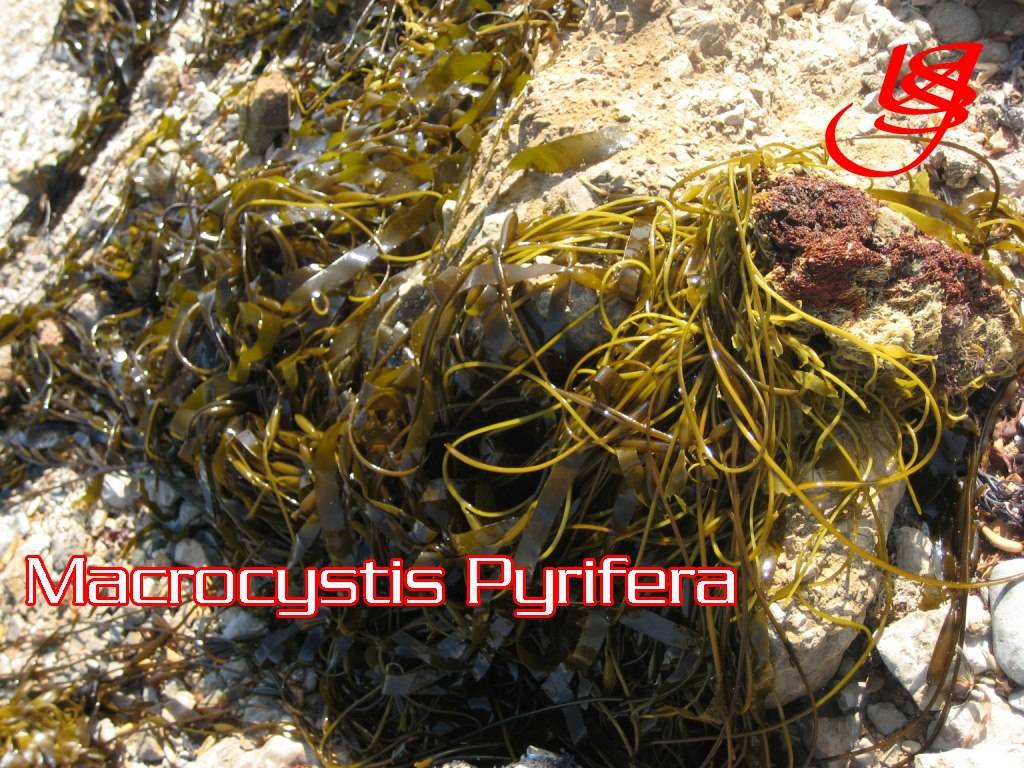
Nombre común: Perú: Aracanthus, palo blanco. Chile: Palo que huye, vara que huye.
Distribución y biología: Es una especie endémica de las costas del Pacífico oriental del hemisferio sur, con un rango de distribución entre los 14° y 40° de latitud. Habita ambientes submareales rocosos, expuestos y semi-expuestos. Forma bosques aislados a profundidades de entre 4 y 25 metros. Su extensión batimétrica es variable y depende de la presión ejercida por los depredadores y de la exposición al oleaje en el límite superior; y de la disponibilidad de sustrato estable y la pendiente del fondo rocoso en el límite inferior. Esta especie, al igual que M. pyrifera, se considera una especie clave de los ecosistemas bentónicos, donde desempeña un papel de ingeniería y estructuración (JONES et al. 1994, 1997), lo que permite la coexistencia de un gran número de invertebrados, peces y plantas. Su estructura morfológica incluye un disco de fijación, del cual surgen de uno a cinco estipes, cada uno de los cuales se ramifica dicotómicamente y posee al menos dos láminas. Estas son planas, anchas, lisas y lanceoladas, con márgenes lisos y a veces dentados. Las plantas adultas pueden alcanzar más de 2 metros.
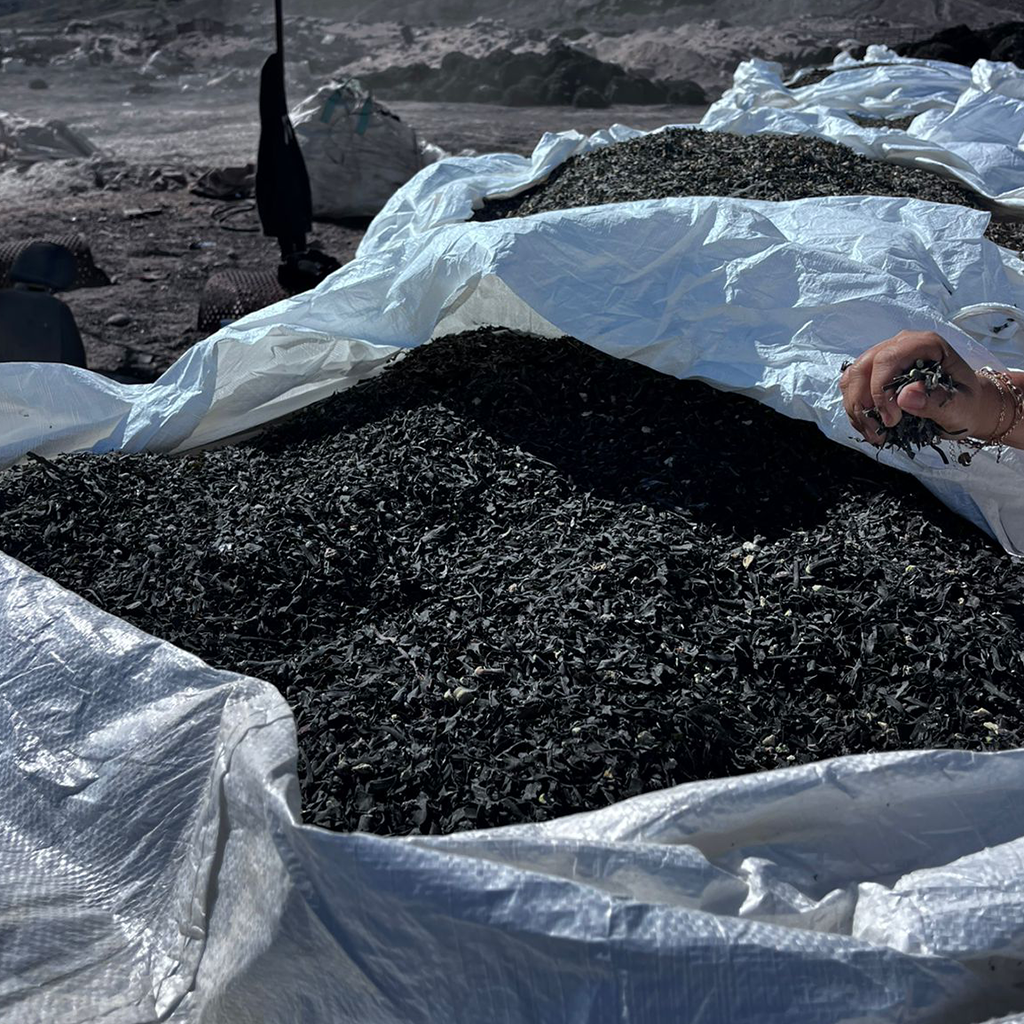
Aplicaciones: La extracción de esta especie es un trabajo eminentemente artesanal, de singular importancia para las zonas rurales involucradas en la actividad extractiva, generando empleo y bienestar socioeconómico para un gran número de familias. Se utiliza principalmente en la extracción de alginatos. El alginato de sodio es un polisacárido de algas pardas. Si bien puede utilizarse como espesante, su función más destacada en la cocina moderna es permitir la esferificación. El alginato disuelto en una mezcla líquida reacciona rápidamente con otro líquido rico en calcio (como cloruro de calcio o gluconolactato), solidificándose muy rápidamente y creando una estructura muy estable y resistente. Por ejemplo, imaginemos que hemos preparado un jarabe de frutas en el que hemos disuelto alginato. Si tomamos una cucharada de jarabe y la introducimos suavemente en una mezcla de agua con sales de calcio, en pocos segundos la superficie de contacto entre el jarabe y el agua se solidifica, formando una esfera. Los bordes de esta esfera tendrán una textura similar a la de una gominola, mientras que su interior permanecerá líquido. La experiencia del comensal al introducir una de estas esferas en la boca es la de una explosión de sabor, ya que, con la presión de la lengua, la esfera se rompe, liberando el líquido, en este caso el jarabe de frutas, en la boca. La esferificación puede realizarse con productos dulces o salados.
Y según dónde utilicemos el alginato, hablaremos de: Esferificación directa, cuando el alginato se mezcla con el producto que vamos a ingerir (como en el ejemplo del jarabe de frutas). Esferificación inversa, cuando el alginato se añade a la solución acuosa en la que posteriormente se sumerge el producto a esferificar. El alginato de sodio debe añadirse espolvoreado para evitar la formación de grumos. Luego, debe mezclarse vigorosamente, preferiblemente con una batidora eléctrica de mano. Una vez añadido al alimento (esferificación directa) o al baño (esferificación inversa), es importante dejar reposar la mezcla durante al menos 1 hora en frío antes de comenzar a formar las esferas. Generalmente se utiliza una dosis de aproximadamente 4 gramos de alginato por litro. Es importante tener en cuenta que la esferificación no se produce correctamente en mezclas muy ácidas, con un pH inferior a 3,8. En esos casos, el pH debe elevarse utilizando productos como el citrato de sodio. Visite nuestra sección de Recetas de Esferificación para ver qué tipos de platos se pueden preparar. El alginato de sodio, como mencionamos al principio, también se puede utilizar como espesante. Es común encontrarlo en helados, donde mejora la textura y también actúa como estabilizante. El alginato se presenta en polvo y se puede almacenar sin problemas durante largos periodos de tiempo.
Somos productores y exportadores. Si te interesa, por favor contacta a mi número de WhatsApp +51968610577. Correo electrónico: seaweed.peru@gmail.com. Contáctanos para más información.