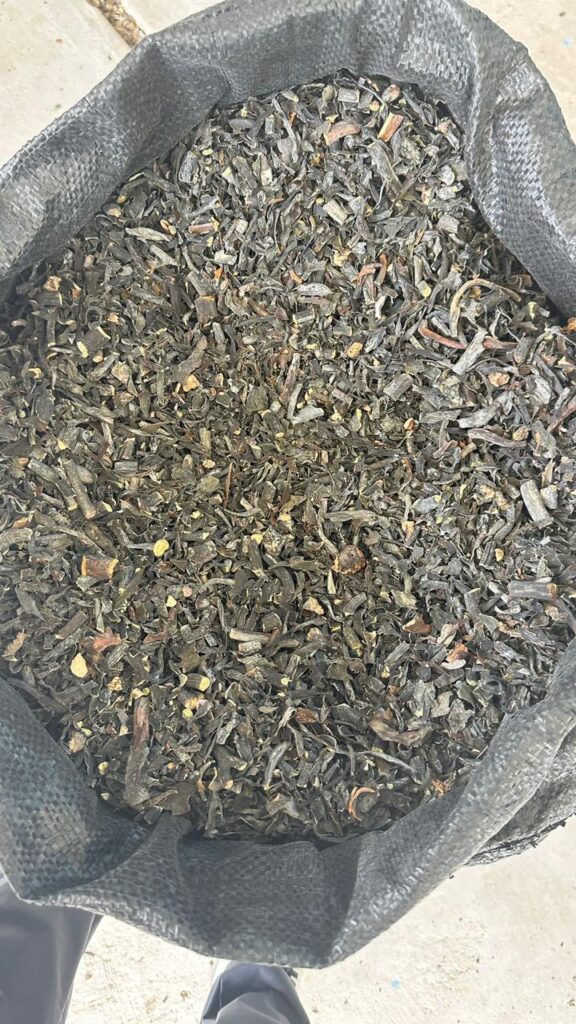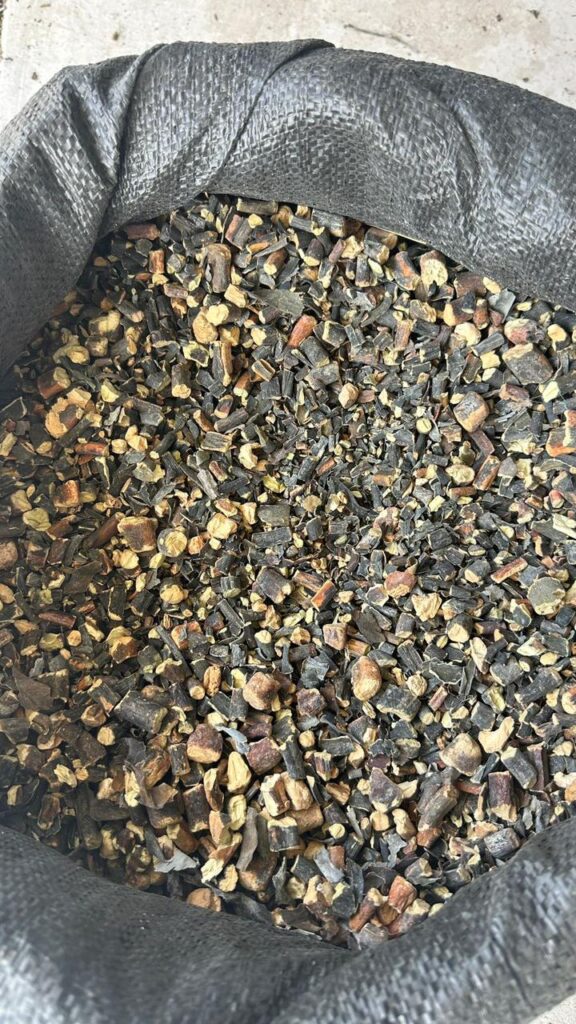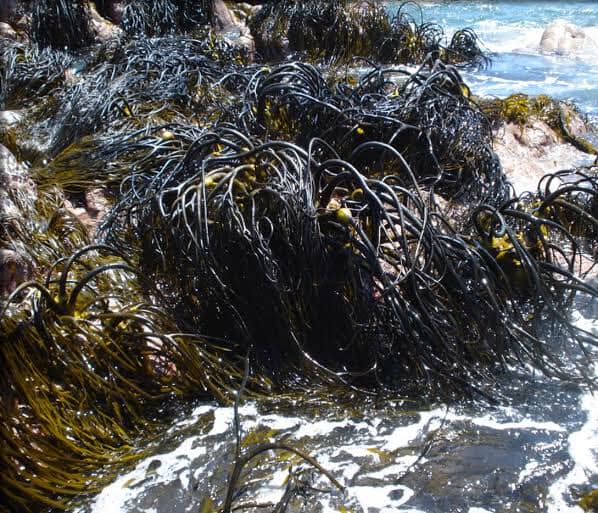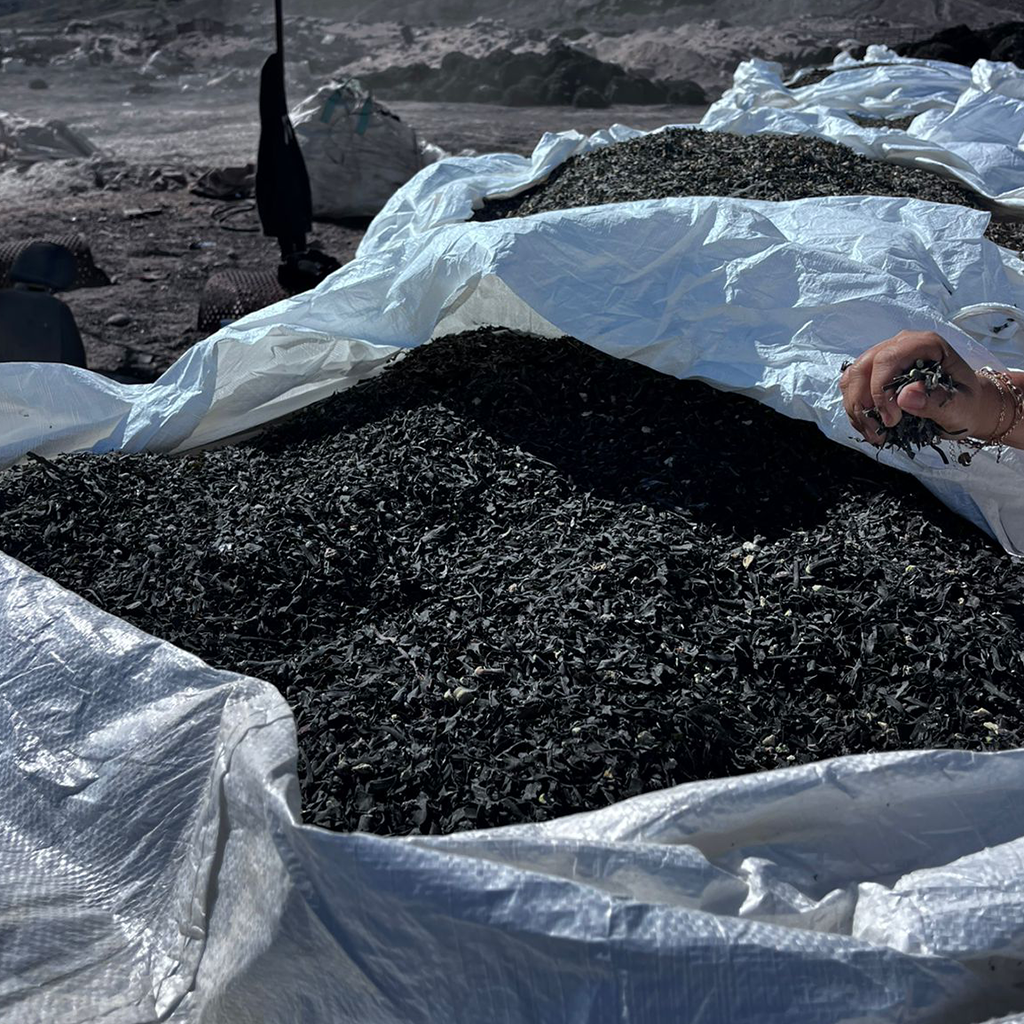
Common name:
Peru: Black aracanth, black stick
Chile: Chascón, I flee black.
Distribution and Biology:
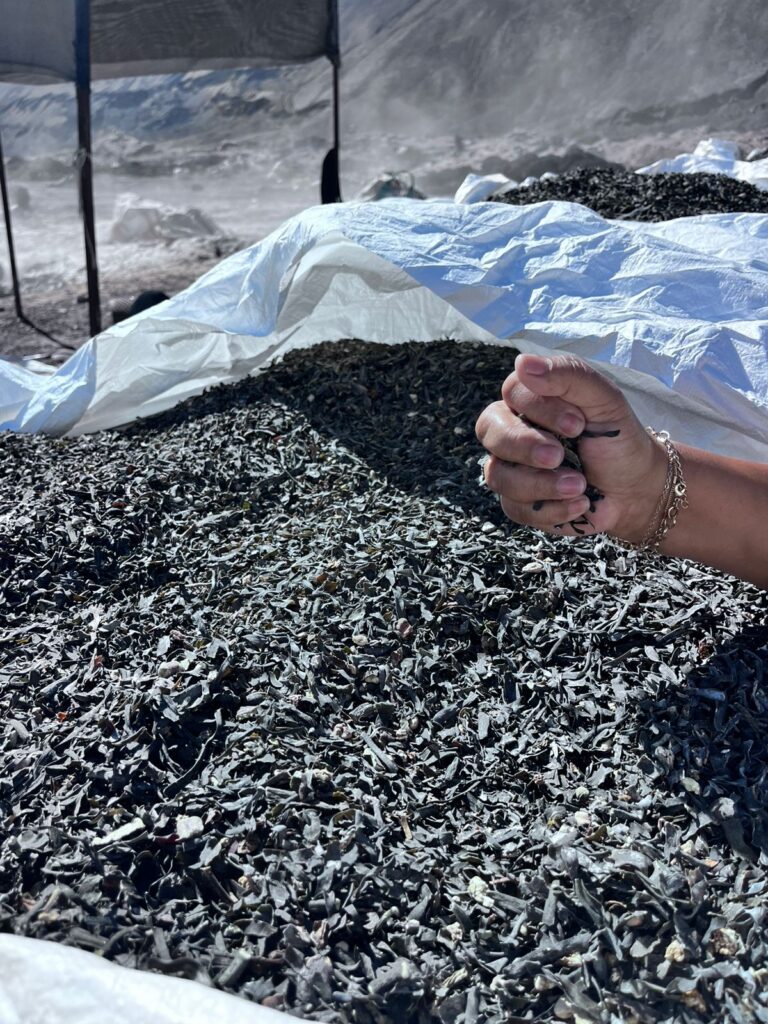
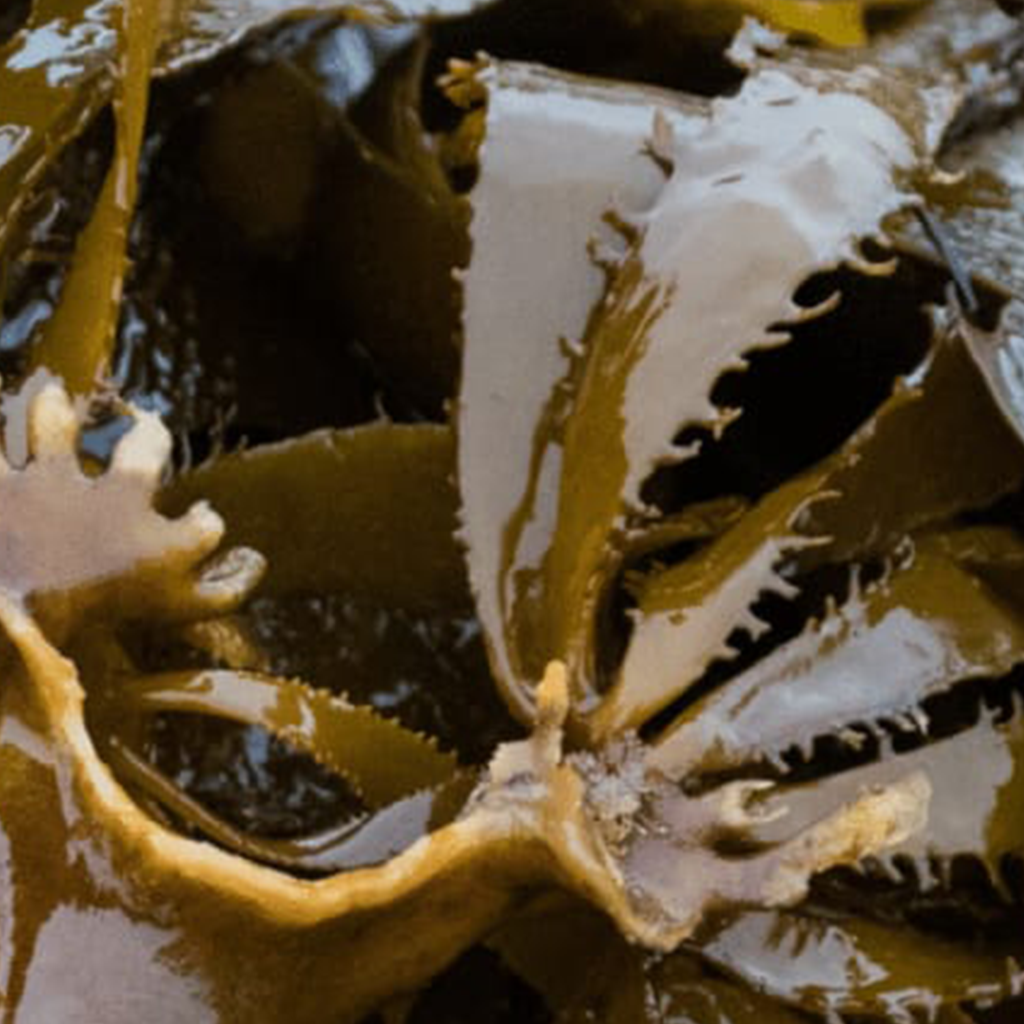
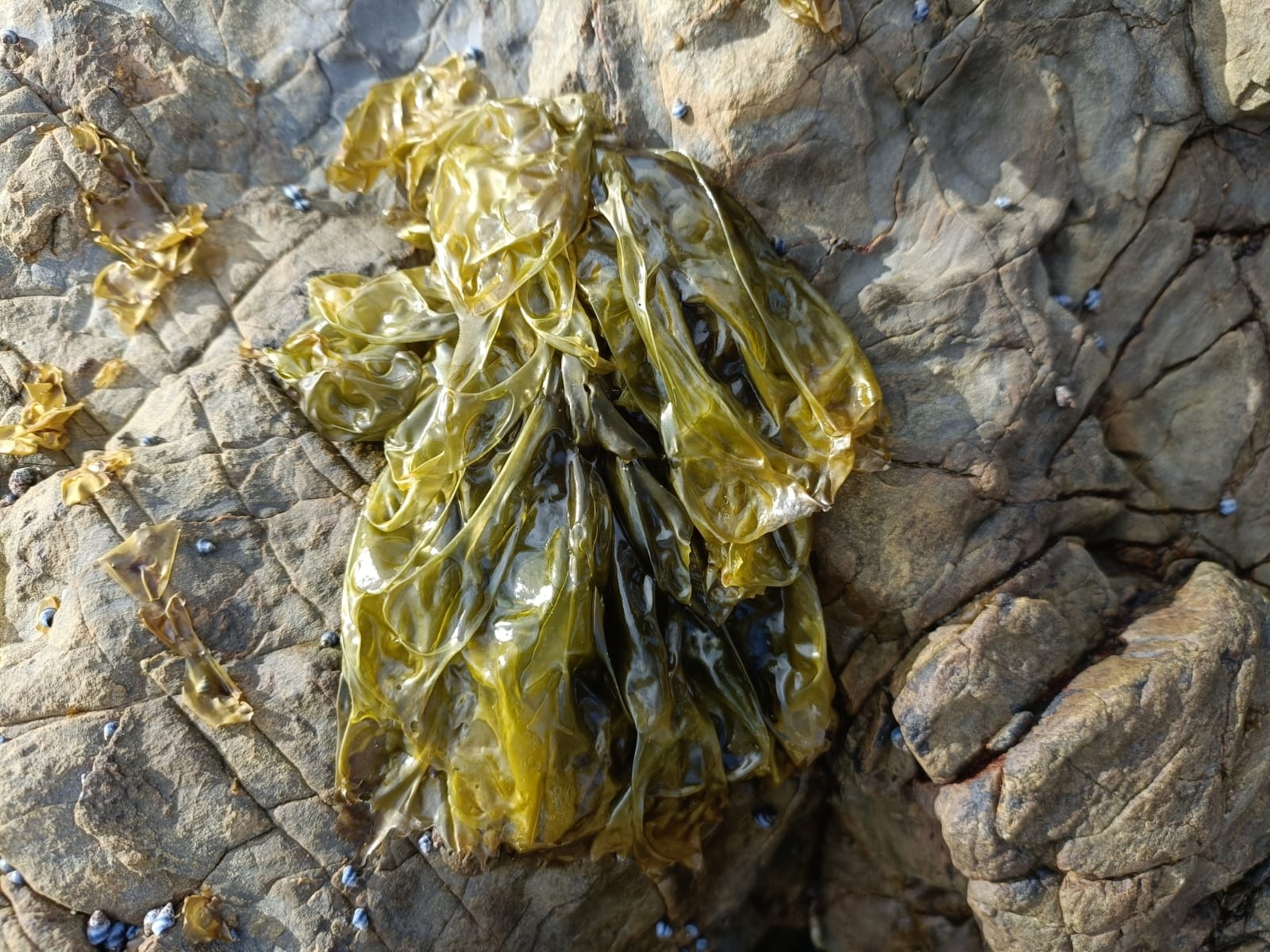
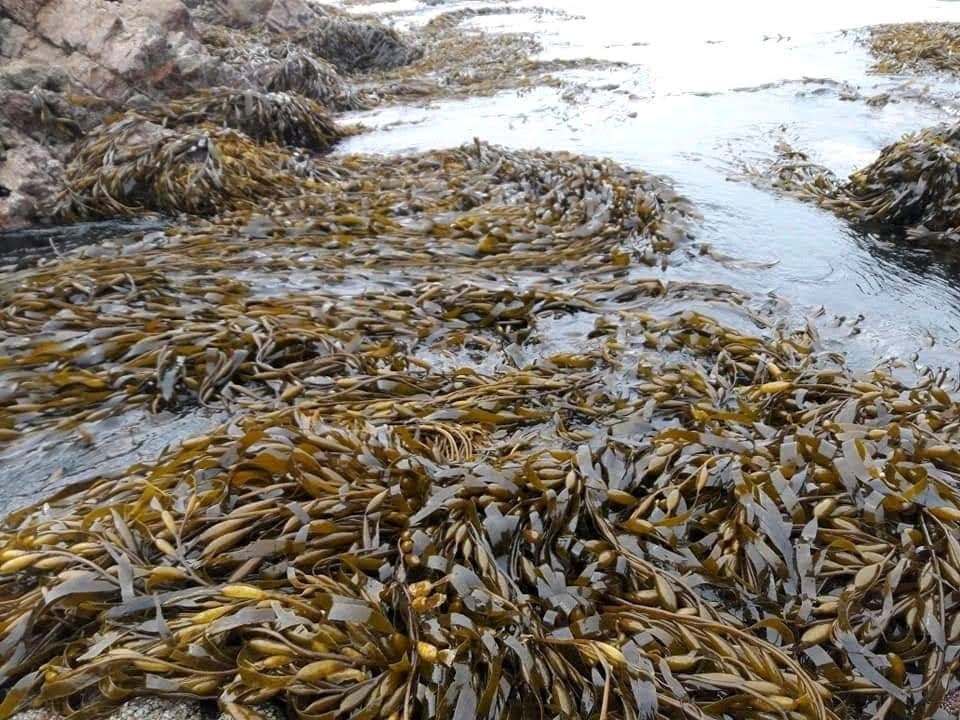
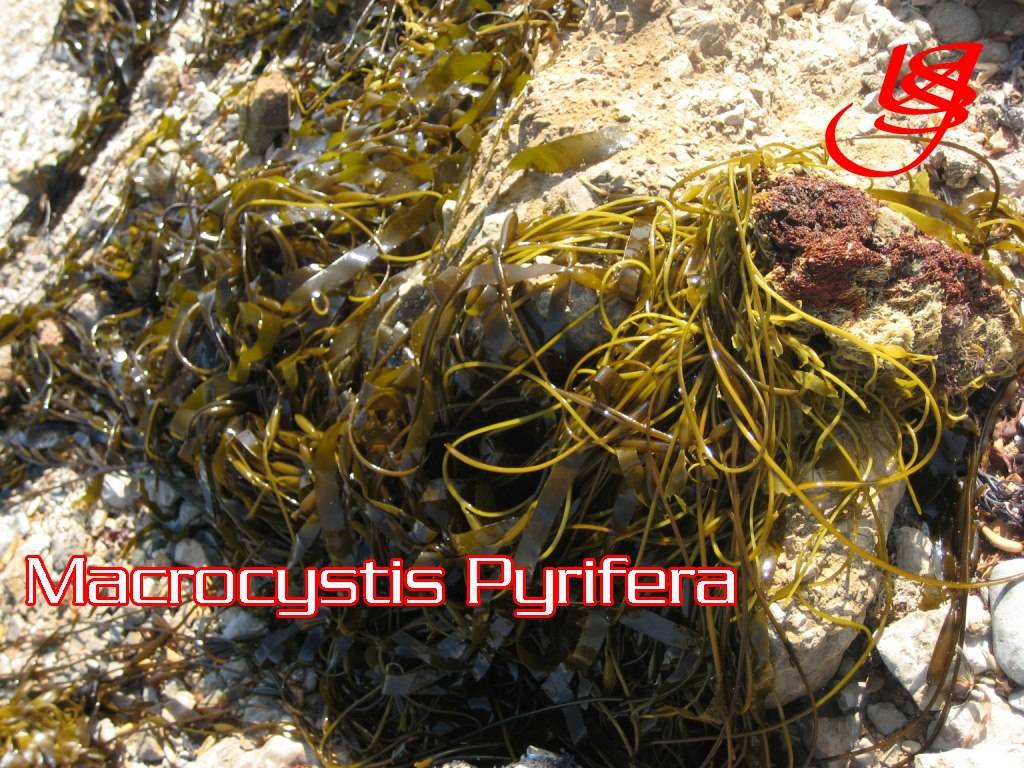
It occurs along the South American Pacific coast, from Peru to the sub-Antarctic regions of Chile (Malvinas and Kerguelen islands). It inhabits areas with strong waves. It is dark olive green in color and forms long stems that end in flat, flexible leaves. Adult plants can be up to 6 m long.
Applications:
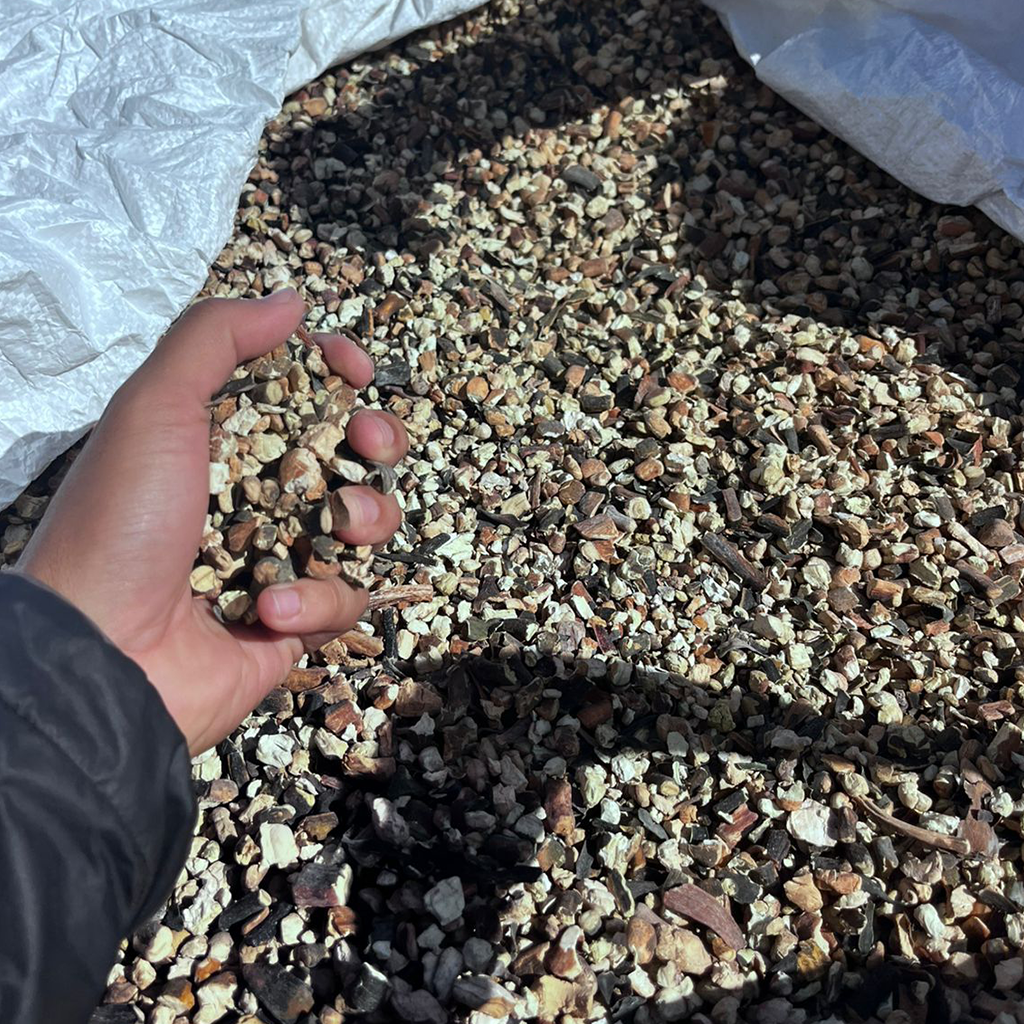
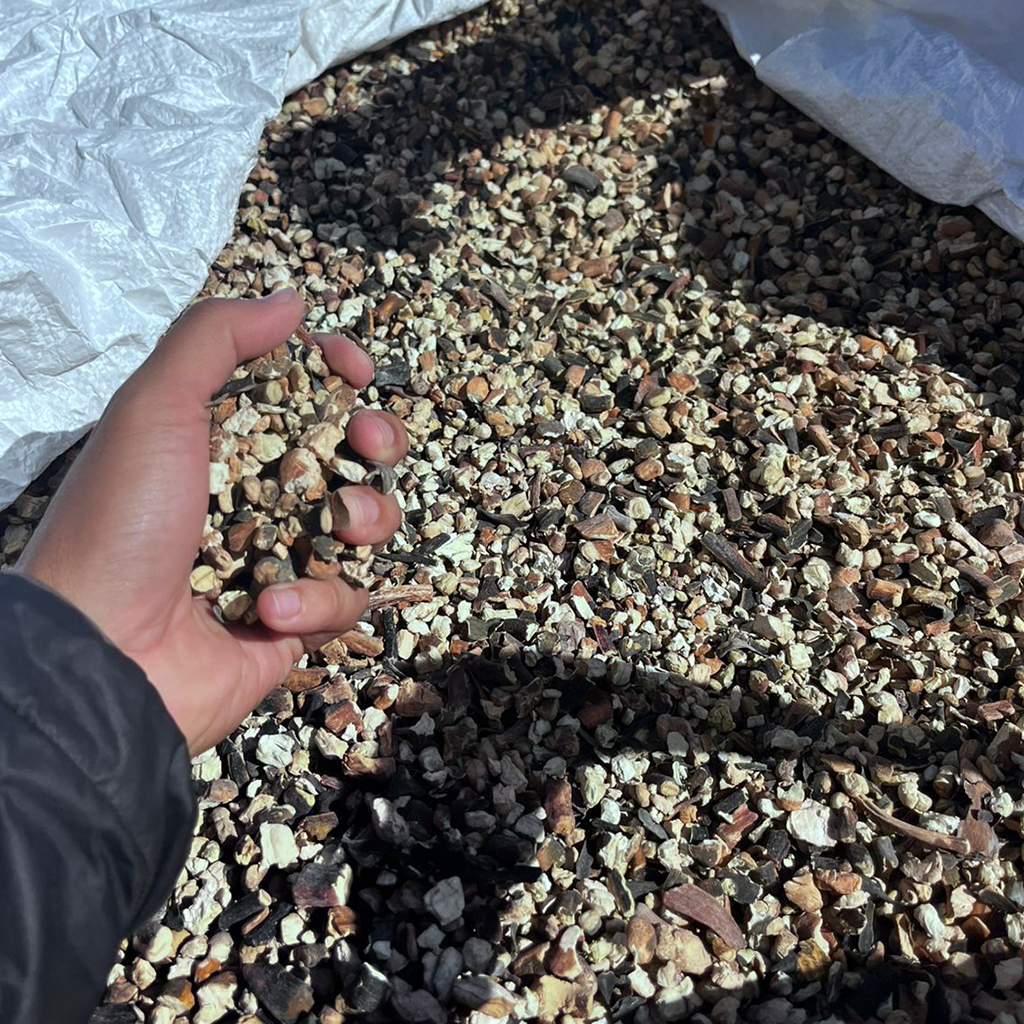
The extraction of this species is carried out by artisanal fishing organizations, in rural areas of the coast. Its main use is in the alginate industry, however, it is also used in fertilizers and for microdermabrasion treatments in humans. Sodium Alginate is a polysaccharide from brown algae. Although it can be used as a thickener, its most striking role in modern cooking is to allow us to “spherify”. The alginate dissolved in a liquid mixture enters into a rapid reaction with another calcium-rich liquid (such as calcium chloride or gluconolactate), solidifying very quickly, creating a very stable and resistant structure. To give an example, let’s imagine that we have made a fruit syrup in which we have dissolved alginate. If we take a tablespoon of the syrup and gently introduce it into a mixture of water with calcium salts, in a few seconds the contact area between the syrup and the water solidifies creating a sphere. The edges of this sphere will have a jelly bean-like texture and its interior will remain liquid. The experience of the diner when introducing one of these spheres in the mouth is that of an “explosion” of flavor since with the pressure of the tongue, the sphere explodes, releasing the liquid, in this case the fruit syrup, in the mouth. Spherification can be done with sweet or savory products.
And depending on where we use the alginate, we will talk about:
Direct spherification, when the alginate is mixed with the product that we are going to ingest (as in the example of fruit syrup).
Reverse spherification, when the alginate is added to the aqueous solution in which the product to be spherified is subsequently immersed.
The sodium alginate must be added well sprinkled to avoid the formation of lumps. It should then be mixed very vigorously, preferably using an electric hand mixer. Once added to the food (direct spherification) or to the bath (reverse spherification), it is important to let the mixture rest for at least 1 hour in the cold before starting to make the spheres. A dose of about 4 grams of alginate per liter is usually used. It is important to take into account that spherification does not occur correctly in very acidic mixtures, with pHs lower than 3.8. In those cases, the pH must be raised using products such as Sodium Citrate.
Visit our Spherification Recipes section to see what types of dishes can be made.
Sodium alginate, as we said at the beginning, can also be used as a thickener. It is common to find it in ice creams where it improves the texture and also acts as a stabilizer.
The alginate is presented as a powder and can be stored without problems.
We are producers and exporters. If you are interested in this, please contact my WhatsApp number +51968610577. Email: seaweed.peru@gmail.com Contact us for more information