Nombre común o vulgar:
Alga arame
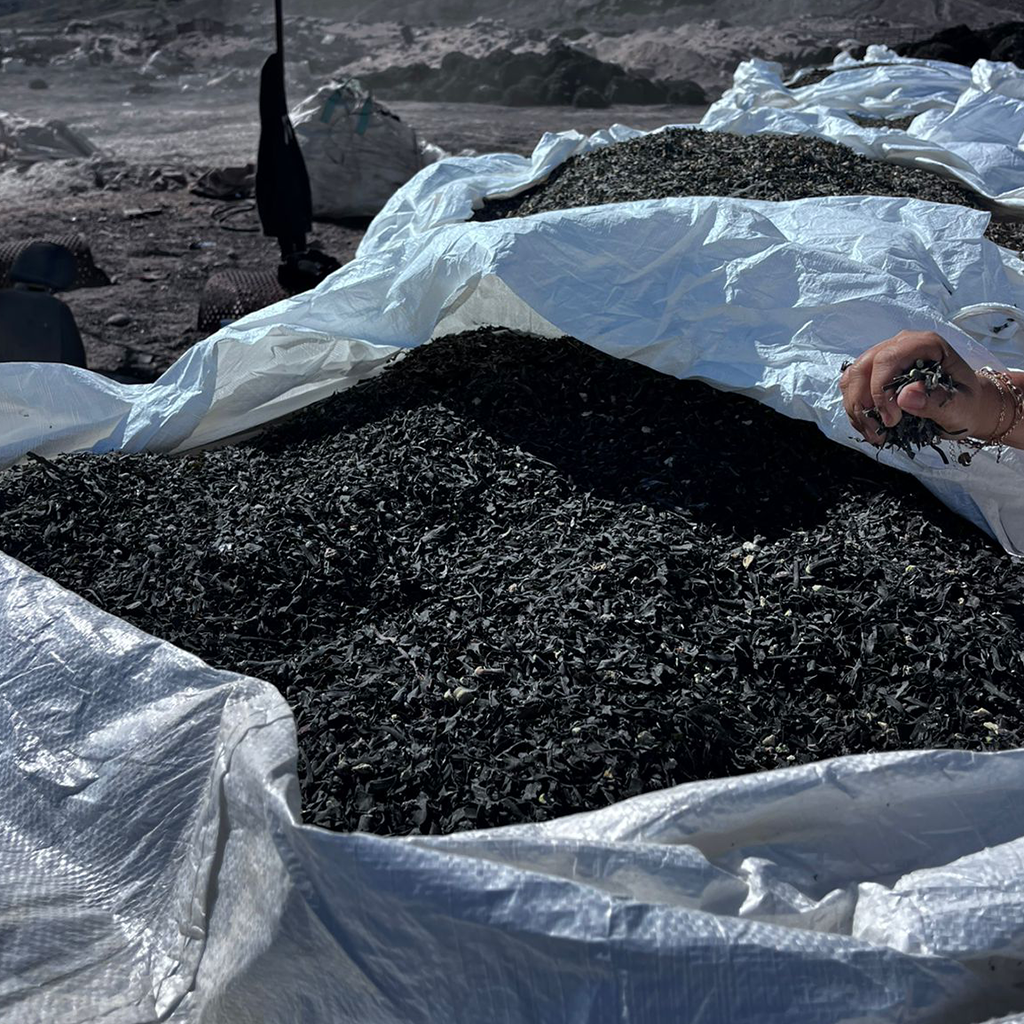
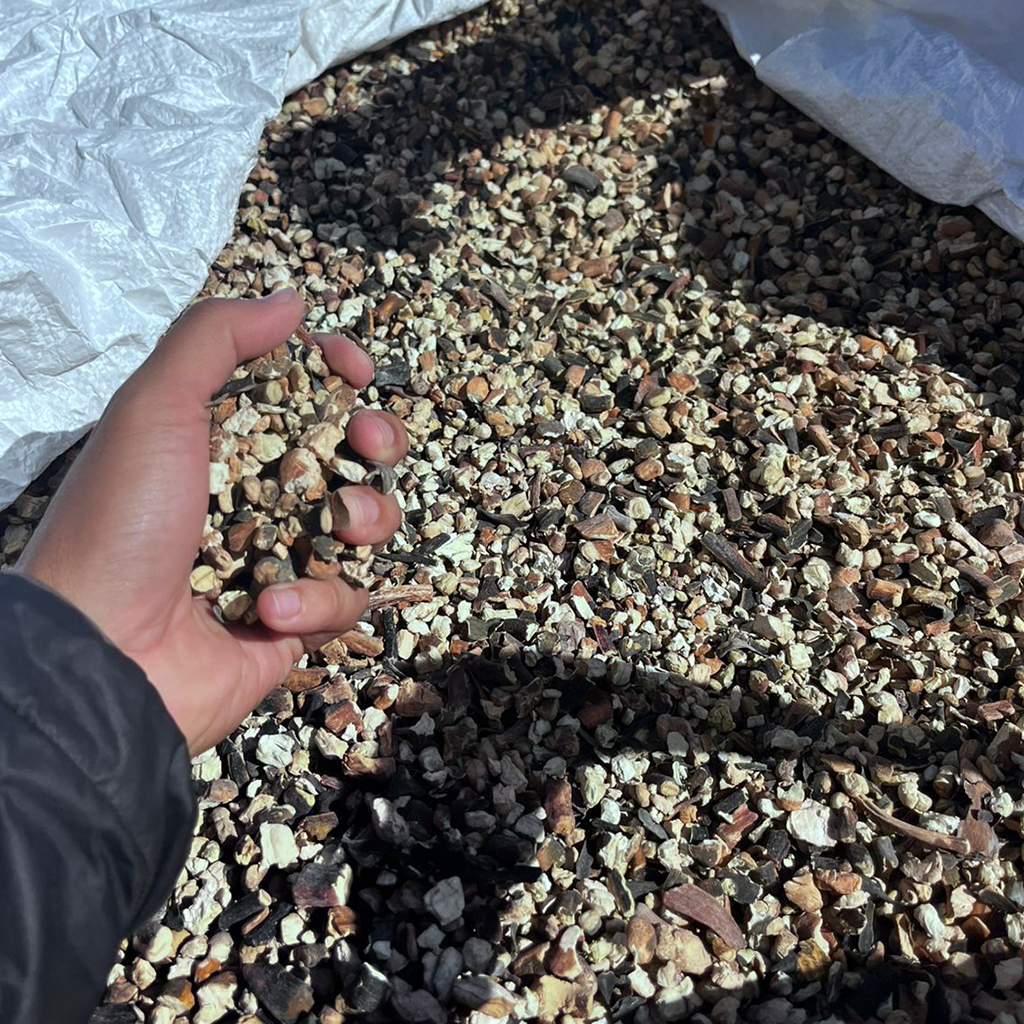
El arame es un alga marina muy consumida en países asiáticos, especialmente en Japón. Es más carnosa que el wakame y tiene un sabor más suave, lo que la hace apta para cualquier paladar. Es difícil encontrarla fresca, por lo que lo más común es comprarla deshidratada, lo que requiere un proceso de rehidratación sencillo y rápido: basta con sumergirla en agua tibia durante 10 o 15 minutos. El agua de rehidratación se suele desechar.
Aunque el arame se puede incorporar como ingrediente en platos calientes, es más común consumirlo en ensaladas, sobre todo mezclado con otros ingredientes, como semillas y aceite de sésamo, con lo que combina muy bien.
El arame es muy rico en sales minerales y fibra, y bajo en grasas, lo que lo convierte en un ingrediente muy saludable y altamente recomendable. Es rico en alginato, un importante espesante culinario, ingrediente por el cual también se cultiva y recolecta. Su sabor es dulce y es un excelente complemento para salteados, sopas, ensaladas y platos de cereales. Esta alga debe remojarse antes de añadirla a los alimentos. Al cocinarse, duplica su tamaño. Es rico en manitol, un azúcar natural que modera la curva glucémica y es muy recomendable para personas con diabetes.
Aporta mucílagos, una fibra viscosa soluble que facilita la protección de las membranas mucosas internas, especialmente las del sistema digestivo.
Además, aporta una cantidad considerable de minerales como hierro, yodo y calcio, y tiene un bajo contenido de sodio. El hierro vegetal es menos biodisponible, por lo que se recomienda consumir esta alga junto con alimentos ricos en vitamina C.
Además de los beneficios ya mencionados, se recomienda para la limpieza del sistema reproductivo y urinario.
Las algas marinas se pueden comprar secas en supermercados orgánicos, de alimentos naturales u orientales, e hidratarlas en casa para incorporarlas a sopas, ensaladas, huevos revueltos, woks, etc. Estas algas son extraordinariamente saludables y ofrecen muchos beneficios para la salud.
Son bajas en calorías y grasas, pero muy ricas en nutrientes (en su mayoría biodisponibles). Las algas marinas son especialmente ricas en vitaminas del grupo B, sobre todo ácido fólico y vitaminas C, E y K.
Estos manjares marinos son nutricionalmente recomendables debido a su alto contenido mineral. Contienen hierro, calcio, zinc, yodo, cobre, magnesio, manganeso, molibdeno, fósforo, potasio, selenio, vanadio y otros minerales.
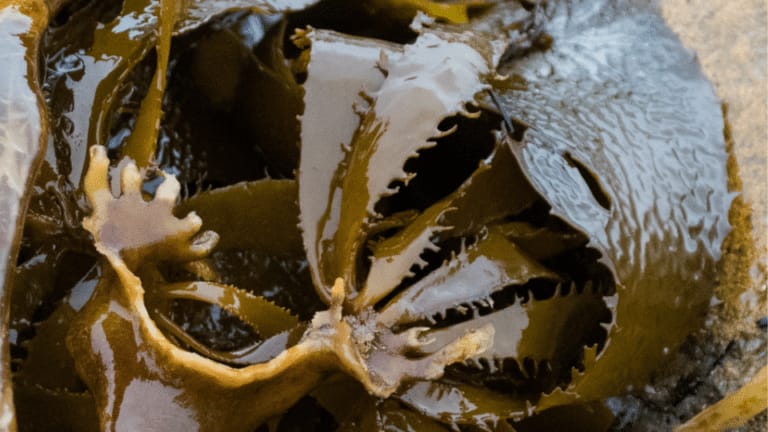
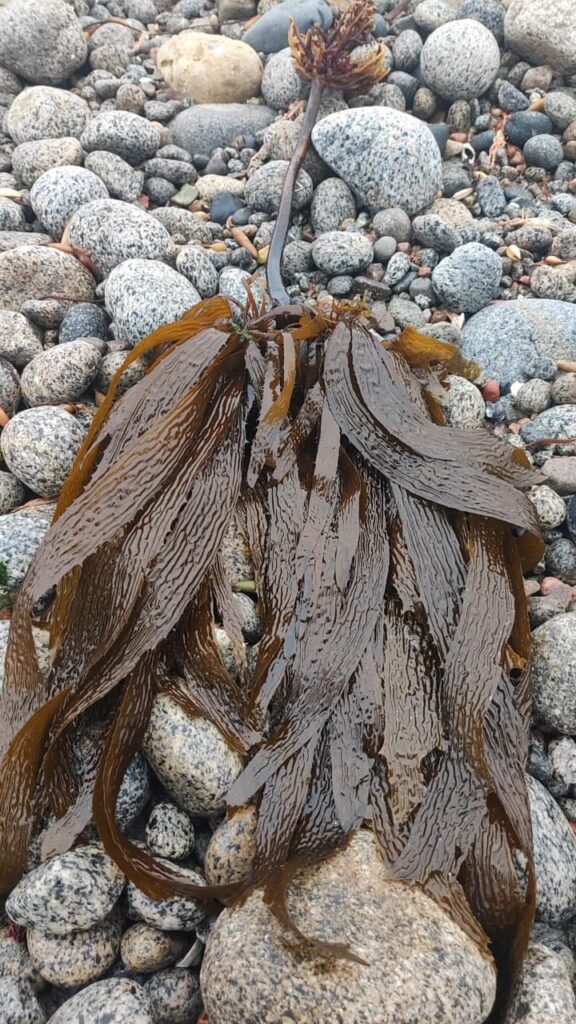
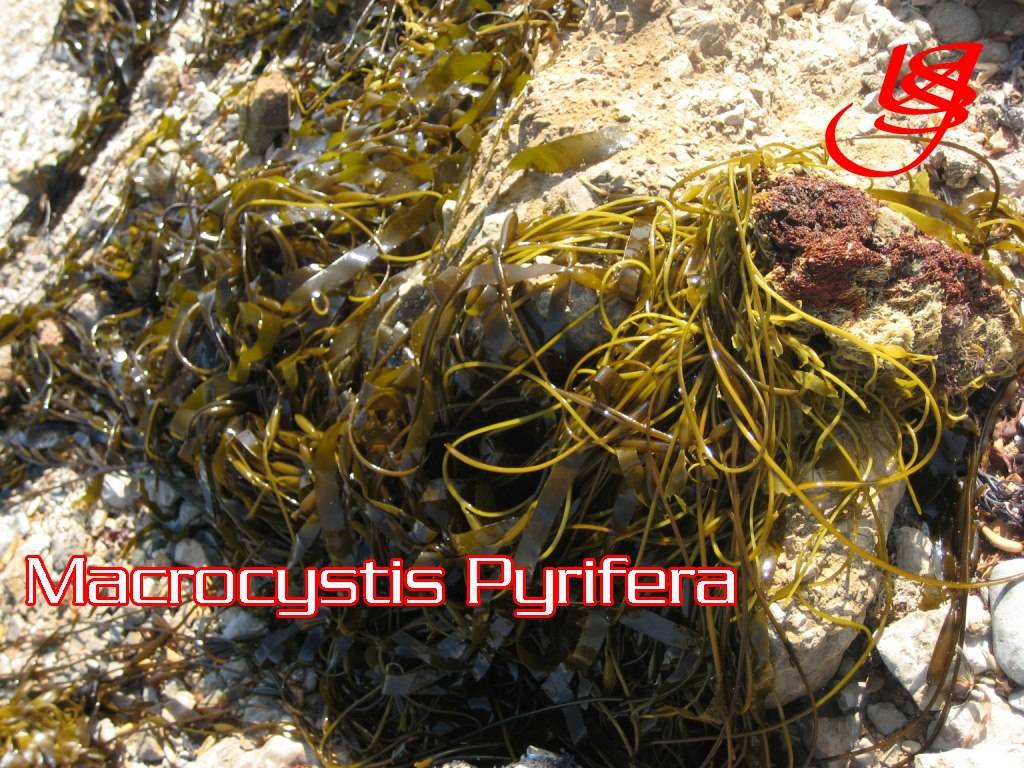
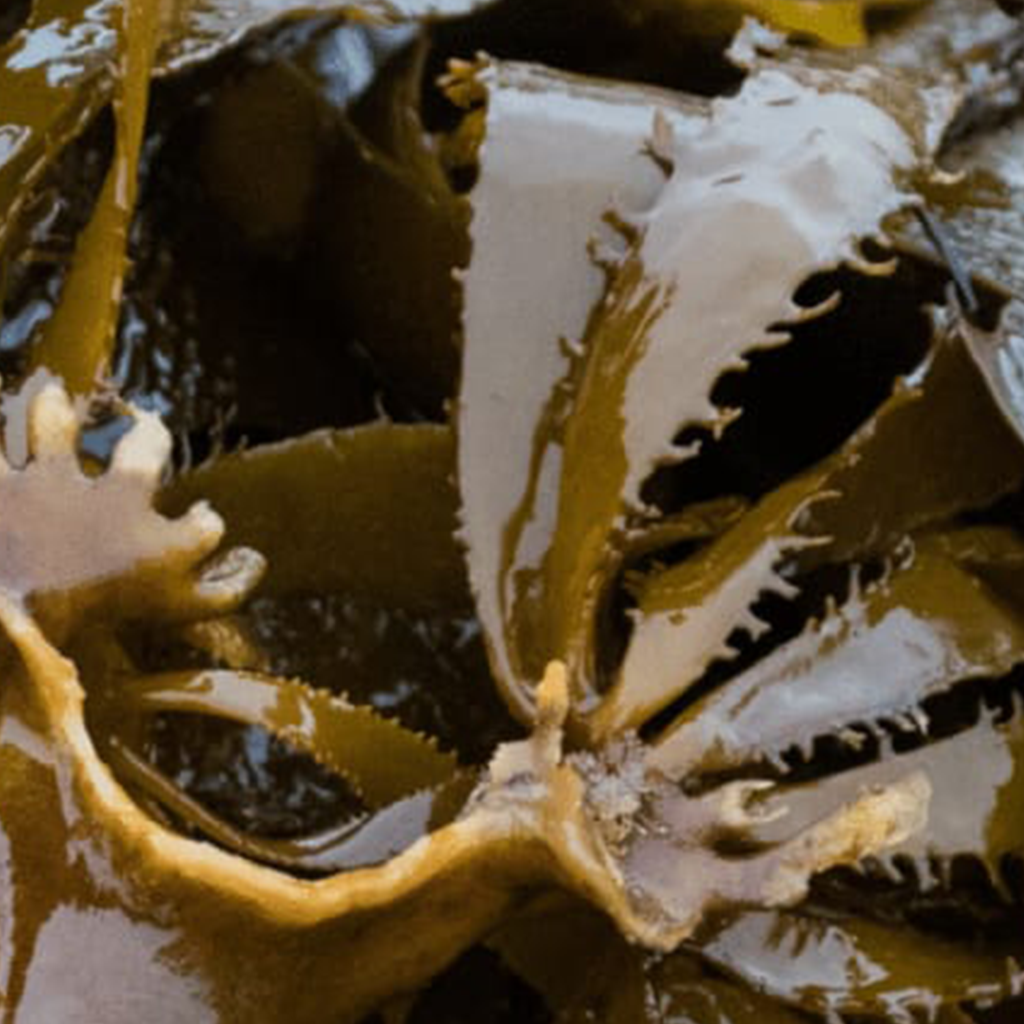
El alga arame es de color marrón oscuro y muy popular en la cocina tradicional japonesa, china, coreana e indonesia. Se recolecta en grandes cantidades en las aguas frías de las costas de Corea del Sur y Japón. Crece hasta alcanzar unos 30 centímetros de longitud, que luego se cortan en mechones largos y finos. También se encuentran subespecies de arame a lo largo de las costas de Alaska y California.
Sabor suave. Su sabor dulce realza maravillosamente salteados, sopas, ensaladas y platos de cereales. Esta alga debe remojarse antes de añadirla a la comida. Al cocinarse, duplica su tamaño.
LOS BENEFICIOS DE LAS ALGAS ARAME SON:
Reduce el riesgo de diabetes tipo 2. El vanadio, presente en las algas marinas, ayuda a aumentar la sensibilidad de las células a la insulina y a equilibrar los niveles de azúcar en sangre, reduciendo así el riesgo de diabetes tipo 2.
Reduce el colesterol. Las algas marinas poseen poderosas propiedades antioxidantes y se ha demostrado que ayudan a reducir el colesterol total, el colesterol LDL y a mejorar la salud cardiovascular.
Ingredientes Alga Arame (Eisenia arborea). Alérgenos Puede contener trazas de soja, gluten, crustáceos y moluscos. Modo de empleo Lavar y dejar en remojo durante 10 minutos y luego cocinar durante otros 15 minutos. Valores nutricionales por 100g Valor energético Kcal. 239 Kj. 993 Carbohidratos (gr) 67,9 Proteínas (gr) 9,6 Carbohidratos solubles (gr) 1,4 Grasas (gr) 1,9 Saturadas (gr) 0,9 Fibra (gr) 43,8 Sodio (gr) 4. Envasado en bolsas de plástico transparente con el peso según el cliente, envasado en cajas con el peso estipulado.
Conservar a temperatura ambiente en un lugar seco. Mantener alejado de la luz solar directa y del contacto directo con el suelo. Una vez abierto, conservar en un recipiente hermético en un lugar seco y consumir antes de la fecha de caducidad.
Preferible – Uso previsto: Se requiere preparación previa de hidratación y/o cocción.
– Hidratación: Sumérgete en agua durante 5 minutos. Una vez hidratado, aumenta su peso 6 veces.
Seco – Cocinar y usar: Durante 20 minutos, usar en ensaladas, huevos revueltos, sopas, cremas, guisos y cazuelas. Rebozado y frito. Como espesante y estabilizador en la preparación de salsas, mermeladas y postres.
– Intención de consumo: Público en general, excepto bebés y niños pequeños.
Destino final: En supermercados, secciones de frutas y verduras y/o secciones de productos ecológicos; tiendas de alimentación especializadas, tiendas ecológicas, fruterías, herboristerías y tiendas gourmet, tanto nacionales como internacionales.