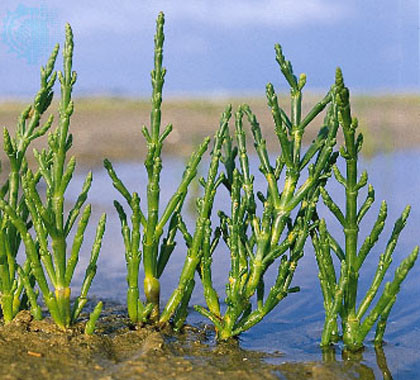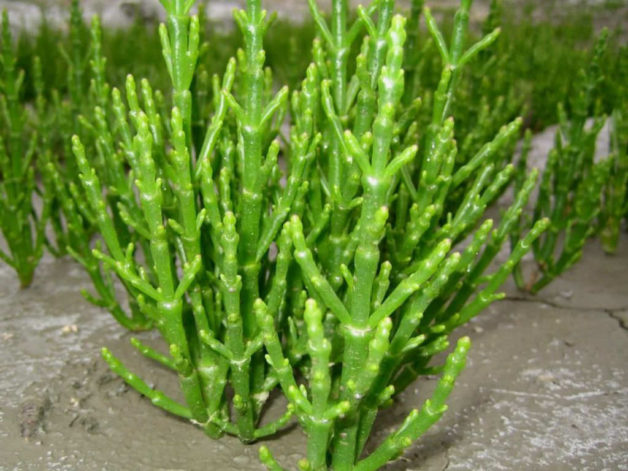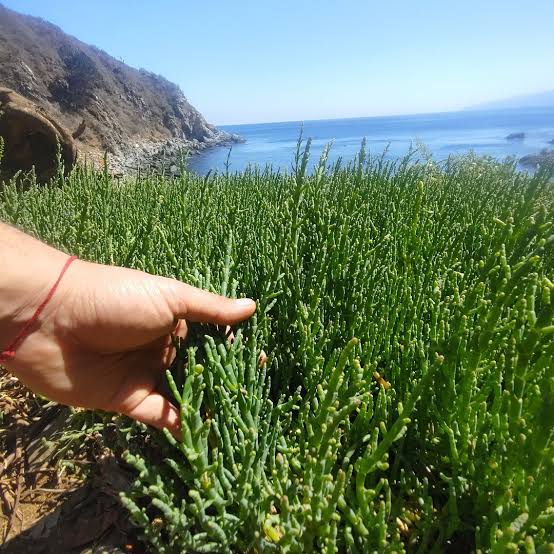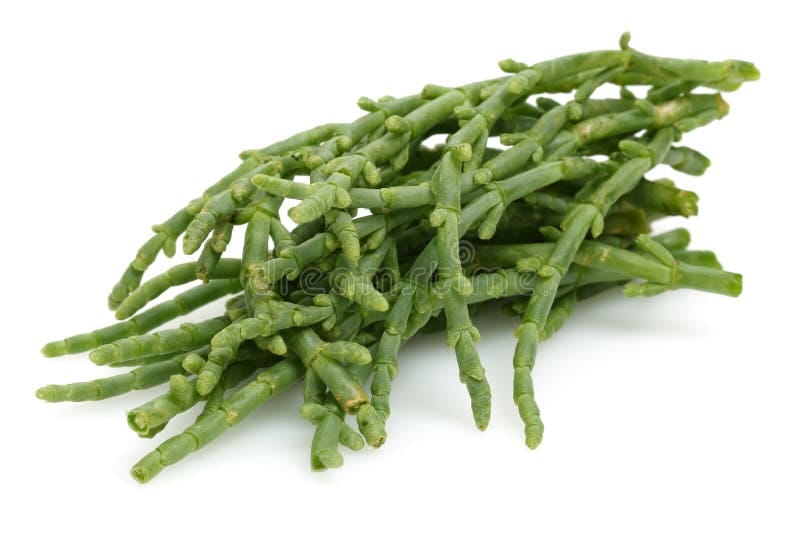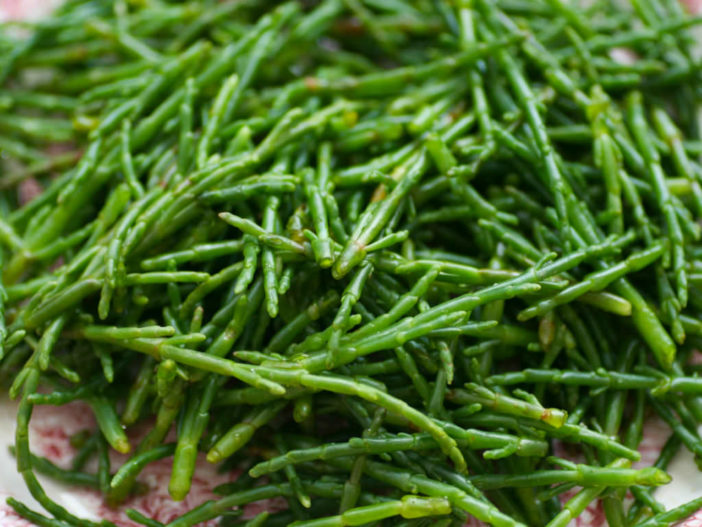
Samphire is a plant with a high protein content, around 14% by dry weight, making it a protein source comparable to other vegetables like chard. In addition to protein, it is rich in minerals, vitamins (including polyphenols and B vitamins), fiber, and unsaturated fatty acids, and offers other nutritional benefits such as essential amino acids. Nutritional Composition: Protein: Around 14% protein, making it a high – value plant – based protein source. Minerals: It is rich in calcium, iodine, and iron. Vitamins: It contains several vitamins, including B vitamins. Other nutrients: It provides dietary fiber, unsaturated fatty acids, and essential amino acids. Health Benefits: Antioxidant Properties: Contains polyphenols, which give it antioxidant properties that help combat oxidative stress. Vascular Health: Salicornia extracts have shown a reduction in homocysteine, a vascular risk factor, and its effects on cholesterol and vascular protection are being investigated. Traditional Medicine: It has been used in traditional medicine to treat various disorders, such as intestinal problems and inflammatory diseases. Uses and Importance: Food: It can be consumed raw or cooked and is used in various recipes. Salt Alternative: Due to its natural sodium content, it can be used as a condiment. By dehydrating and grinding it, a low – sodium «salt extract» can be obtained, suitable even for people with hypertension. What is the nutritional value of salicornia?
Average values per 100 g: Energy 544 kj/130 kcal; Lipids 0.9 g, of which saturates 0.3 g; Carbohydrates 4.5 g, of which sugars 0 g; Fiber 16g; Protein 18 g; Sal 47 g. We are producers and exporters if you are interested in, please contact my number whatsap + 51968610577 EMail: seaweed. peru@gmail. com Contact us for more information