por Orco | Jun 18, 2026 | Productos
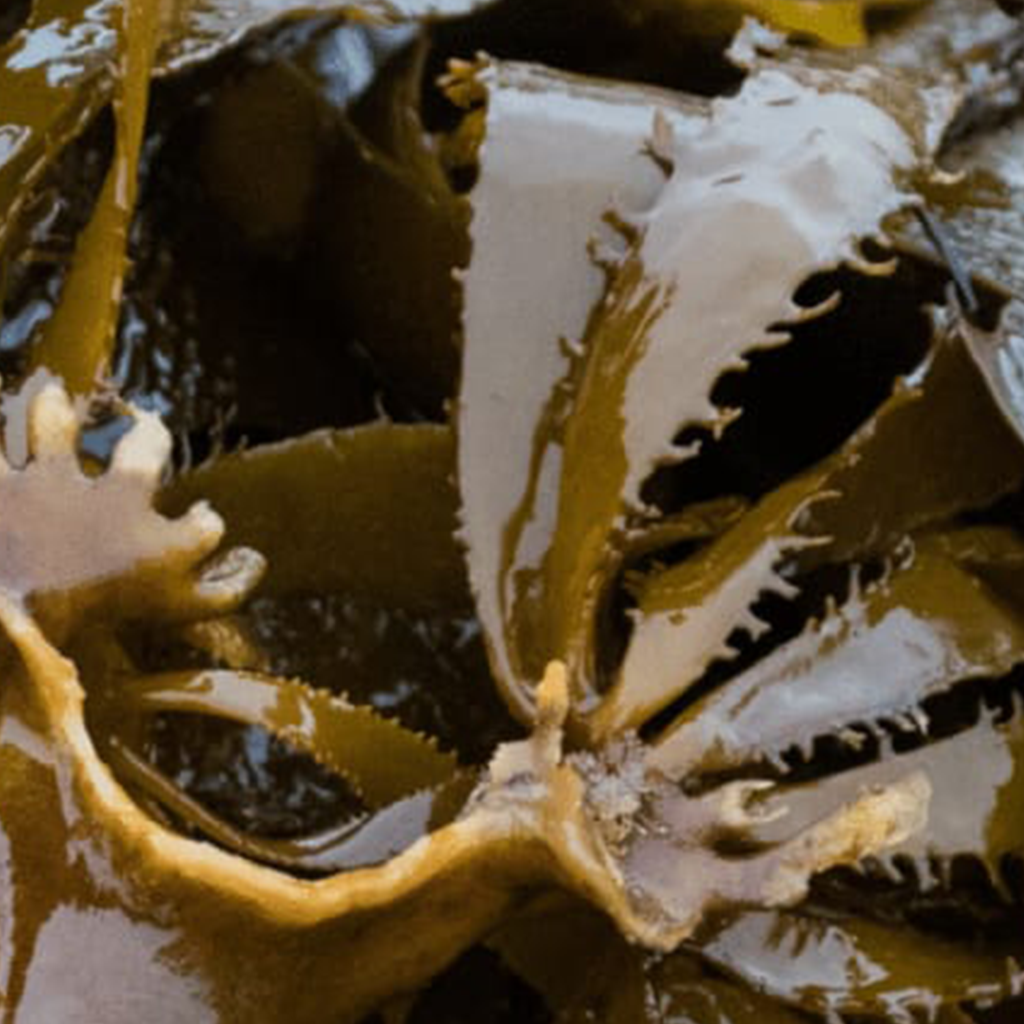
Nombre común o vulgar:Alga arame El arame es un alga marina muy consumida en países asiáticos, especialmente en Japón. Es más carnosa que el wakame y tiene un sabor más suave, lo que la hace apta para cualquier paladar. Es difícil encontrarla fresca, por lo que lo más...
por Orco | Jun 18, 2026 | Productos
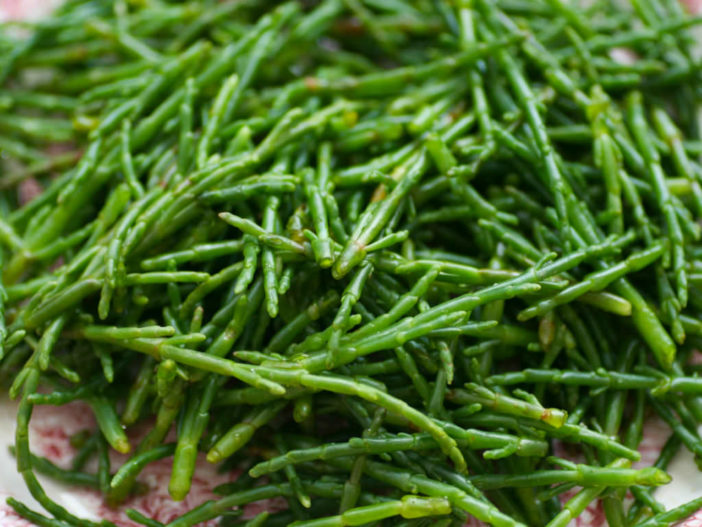
Samphire is a plant with a high protein content, around 14% by dry weight, making it a protein source comparable to other vegetables like chard. In addition to protein, it is rich in minerals, vitamins (including polyphenols and B vitamins), fiber, and unsaturated...
por Orco | Jun 18, 2026 | Productos
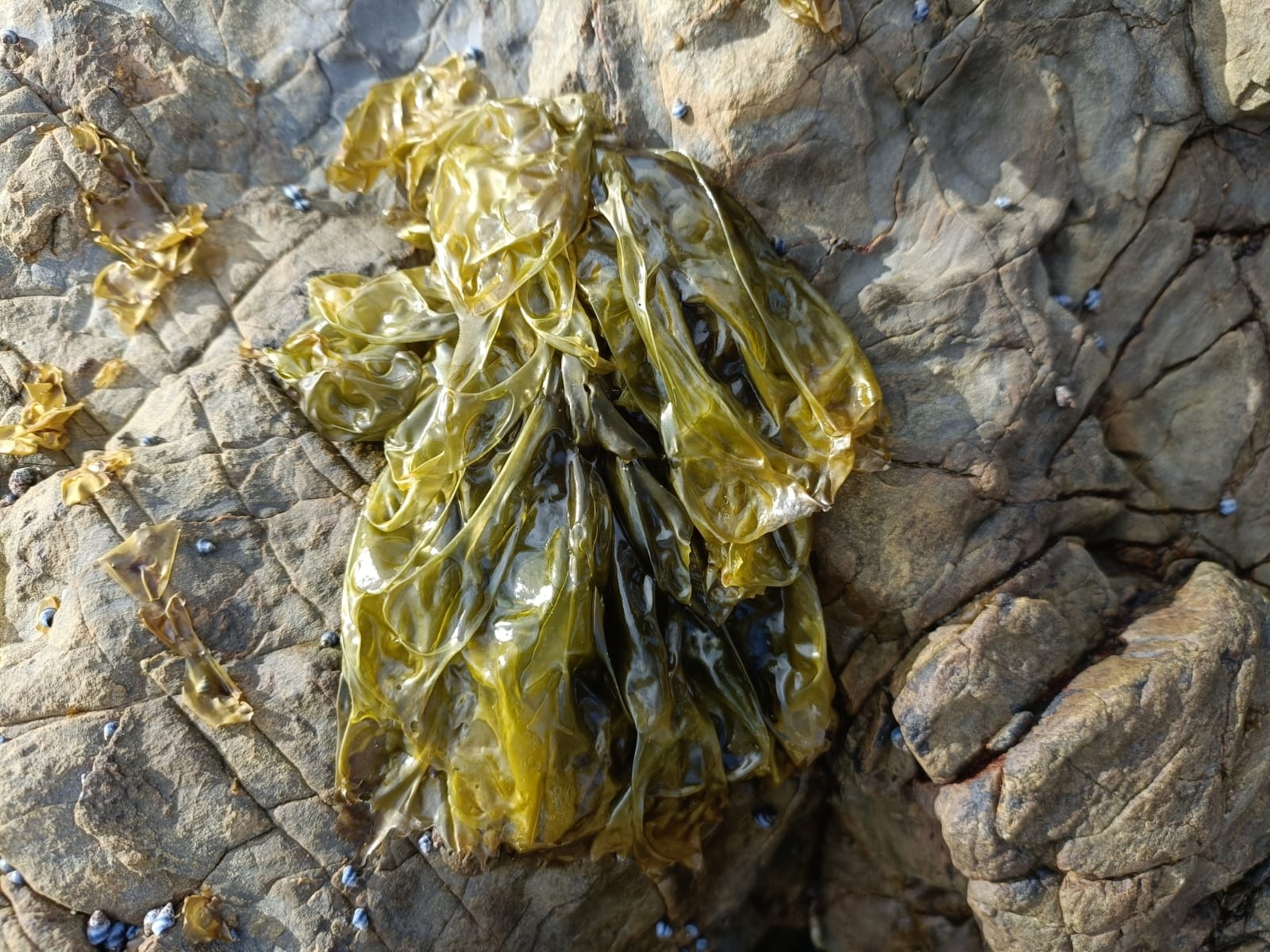
El alga Porphyra columbina (conocida comúnmente como luche o cochayuyo enano) es un alga roja muy rica en nutrientes. Destaca por ser una de las pocas fuentes vegetales con un aporte significativo de vitamina B12, además de contener vitaminas del complejo B, C, A y E....
por Orco | Jun 18, 2026 | Productos
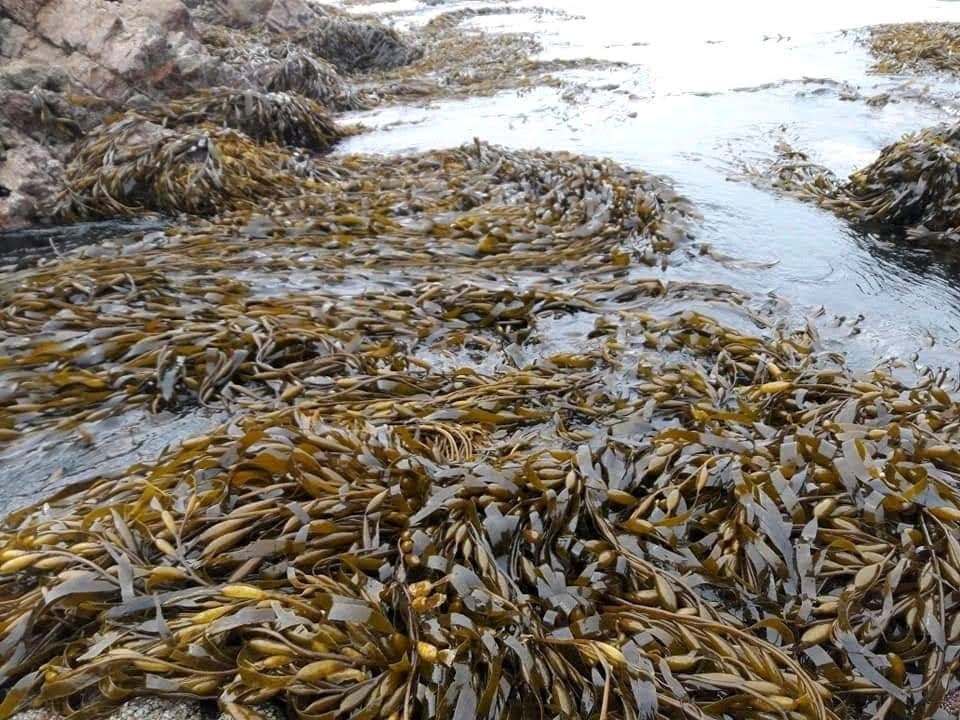
We are a Peruvian export company specialising in the marketing and processing of various species of seaweed. Chondrus crispus, Macrocystis integrifolia, Lessonia trabeculata, Sea Moss, Chondracanthus chamissoi, Eisenia cokeri, Ulva latuca, Gracilaria, Irish moss,...
por Orco | Jun 18, 2026 | Productos
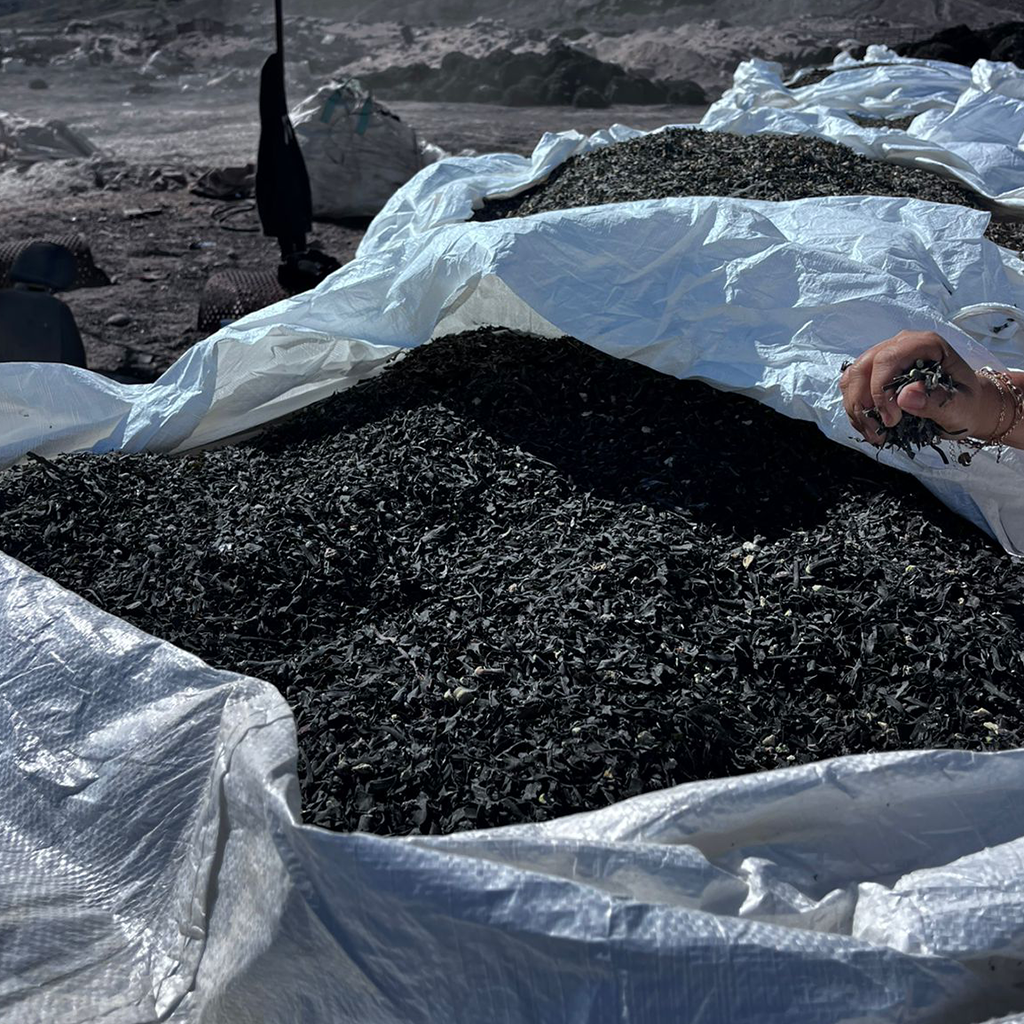
Common name:Peru: Black aracanth, black stickChile: Chascón, I flee black. Distribution and Biology: It occurs along the South American Pacific coast, from Peru to the sub-Antarctic regions of Chile (Malvinas and Kerguelen islands). It inhabits areas with strong...
por Orco | Jun 18, 2026 | Productos
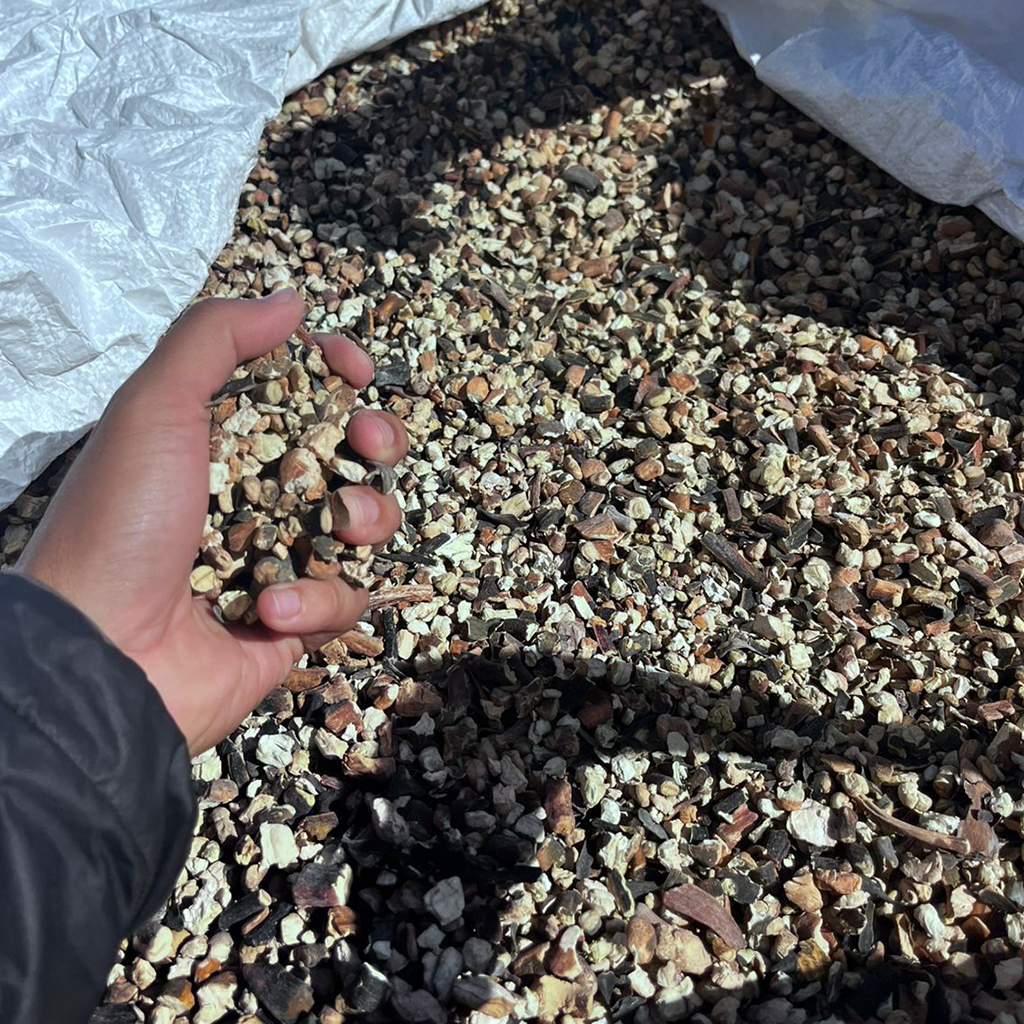
Nombre común: Perú: Aracanthus, palo blanco. Chile: Palo que huye, vara que huye. Distribución y biología: Es una especie endémica de las costas del Pacífico oriental del hemisferio sur, con un rango de distribución entre los 14° y 40° de latitud. Habita ambientes...